
No products in the cart.

Shopping cart (0)
Subtotal: Rs. 0
Spend Rs. 10,000 to get free shipping Congratulations! You've got free shipping.
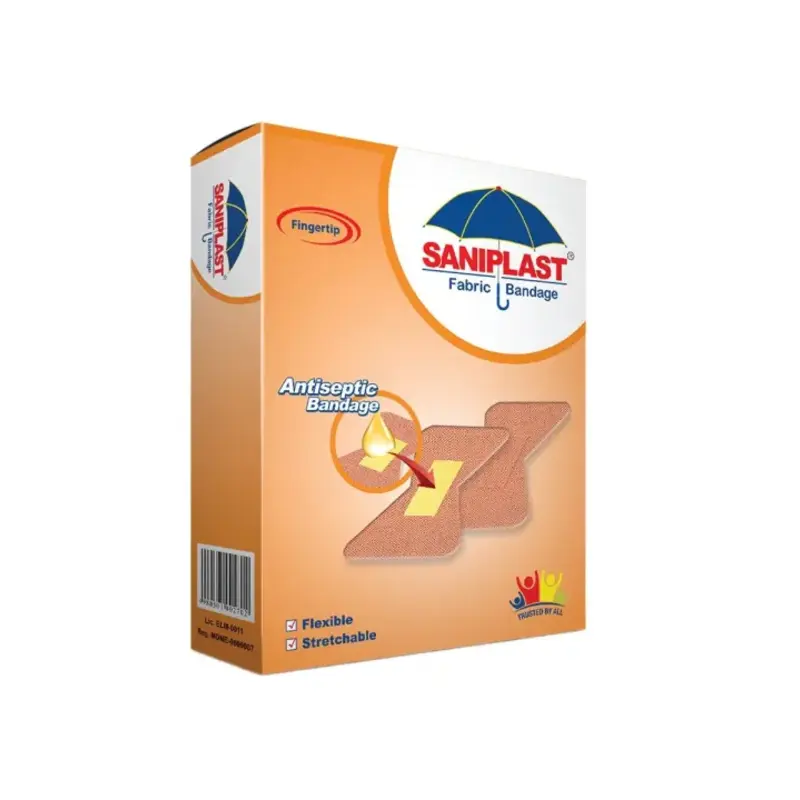
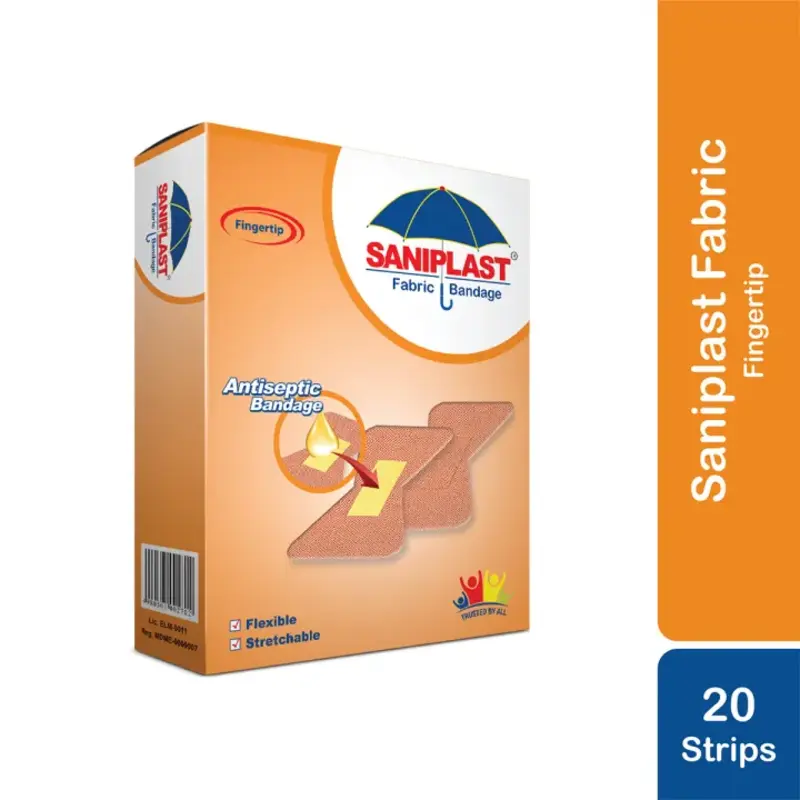
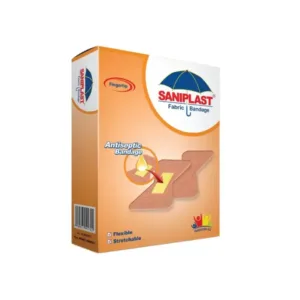
Saniplast Fabric Fingertip Antiseptic Bandage
Brand:
Rs. 155
22 people are viewing this product right now
Shipping calculated at checkout.
Saniplast Fabric Fingertip Antiseptic Bandage — fingertip-contoured fabric bandage with Acrinol antiseptic pad, hypoallergenic adhesive, air permeable and water resistant. Designed for maximum coverage and secure fit on fingertips. Suitable for all age groups.
Sold Out
This product is currently unavailable
| Brand Origin | Pakistan |
|---|---|
| Color | Nude |
Estimated delivery:October 7, 2026 - October 9, 2026
SKU:
JAR-SAN-BAD-002
Tags: antiseptic bandages Pakistan, Saniplast Pakistan Categories: Bandages and Dressings
Saniplast Fabric Fingertip Antiseptic Bandages are specially shaped to provide a secure, full-coverage fit on fingertips — one of the most difficult body parts to bandage effectively due to their curved surface and constant movement. Unlike standard rectangular bandages, the fingertip design contours around the entire tip of the finger for maximum coverage and adhesion without bunching or peeling.
Made from soft, breathable fabric mounted with an Acrinol antiseptic pad, these bandages protect minor wounds on fingertips from microbial contamination while allowing airflow to support natural healing. The hypoallergenic adhesive is gentle on skin and remains securely in place throughout daily activities and light water exposure.
Why Choose Saniplast Bandage
- Fingertip-Contoured Design: Specially shaped to wrap around the curved surface of fingertips, providing maximum coverage and a snug fit that stays in place.
- Acrinol Antiseptic Pad: Central absorbent pad treated with Acrinol antiseptic to help protect wounds from microbial contamination and infection.
- Soft Breathable Fabric: Flexible fabric backing allows airflow to the wound, supporting natural healing while remaining comfortable against skin.
- Hypoallergenic Adhesive: Gentle on sensitive skin and suitable for all age groups, minimising the risk of adhesive irritation.
- Water Resistant: Maintains adhesion during hand washing and light water exposure.
- Flexible for Natural Movement: Fabric construction moves with the finger, reducing the risk of the bandage peeling away during daily activity.
- Low Adherence Pad: The antiseptic pad is designed for minimal trauma on removal.
Product Specifications
| Brand | Saniplast |
| Type | Fabric Fingertip Antiseptic Bandage |
| Shape | Fingertip-contoured |
| Material | Soft breathable fabric |
| Antiseptic Agent | Acrinol (on absorbent pad) |
| Adhesive | Hypoallergenic |
| Air Permeable | Yes |
| Water Resistant | Yes |
| Suitable For | All age groups |
| Usage | External use on minor fingertip wounds only |
Usage Instructions
- Clean and dry the wound and surrounding skin on the fingertip thoroughly before application.
- Peel back the release paper from the bandage carefully.
- Do not touch the antiseptic pad with your fingers — hold the bandage by its fabric edges.
- Place the antiseptic pad directly over the wound on the fingertip and wrap the bandage snugly around the finger, pressing the adhesive edges firmly onto the skin.
- Change the bandage daily, or immediately if it becomes wet, dirty, or loose.
Storage Instructions
- Store in a cool, dry place away from direct sunlight and heat.
- Keep in original packaging until use.
- Keep out of reach of children.
Warnings and Precautions
- For external use only.
- Do not use if you are allergic to the fabric, adhesive, or Acrinol antiseptic.
- If severe irritation, redness, or allergic reaction occurs, remove immediately and consult a healthcare professional.
- Do not use on deep cuts, puncture wounds, or serious injuries — seek medical attention.
- If signs of infection appear (increased pain, swelling, or pus), remove the bandage and consult a doctor.
- Change daily for best healing outcomes.
Frequently Asked Questions
Why is the fingertip shape better for finger wounds?
Standard rectangular bandages tend to bunch at the sides and peel away from the curved surface of fingertips during everyday movement. The fingertip-contoured design wraps around the tip of the finger more naturally, providing better coverage, a more secure fit, and improved comfort during daily activities.
How is the Fabric Fingertip bandage different from the Saniplast Spot bandage?
The Spot bandage is a small, circular PVC bandage designed for tiny wounds like needle pricks and insect bites. The Fabric Fingertip bandage is a specially shaped fabric bandage designed to wrap around the full tip of a finger — providing more coverage and better adhesion on the rounded fingertip surface.
Can I use these on children?
Yes. Saniplast Fabric Fingertip bandages are suitable for all age groups. Avoid placing them where young children might easily remove and mouth them.
How often should I change the bandage?
Change the bandage daily for best wound care, or immediately if it becomes wet, dirty, or starts to peel away from the finger.
Only logged in customers who have purchased this product may leave a review.
Related products
 Saniplast Fabric Fingertip Ant...
 Rs. 155

























Reviews
There are no reviews yet.