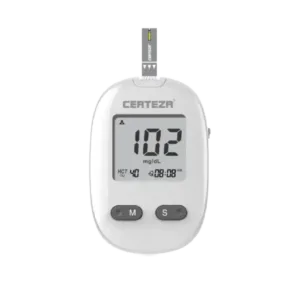
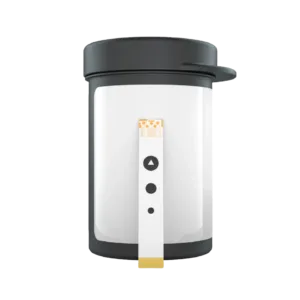
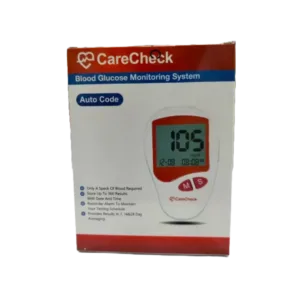
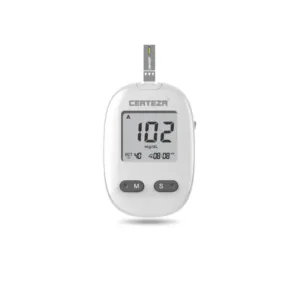
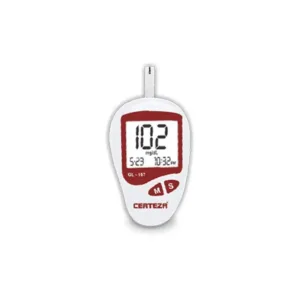
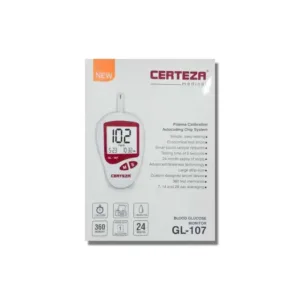
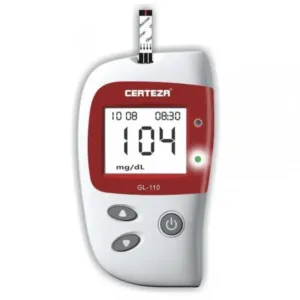
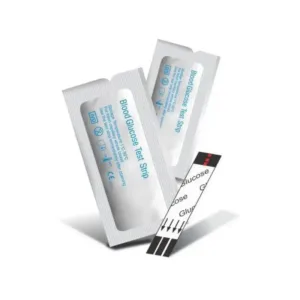
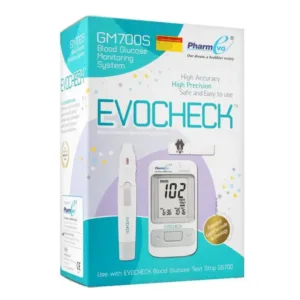
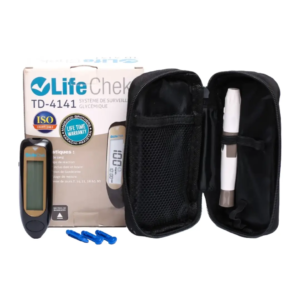
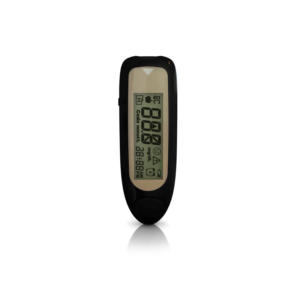
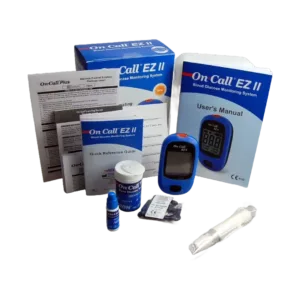
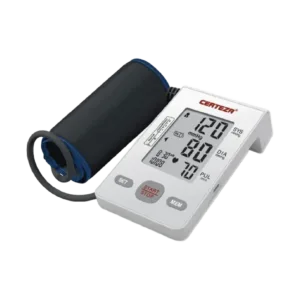
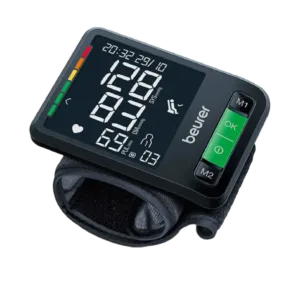
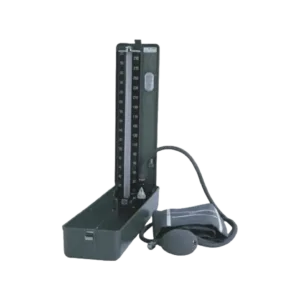
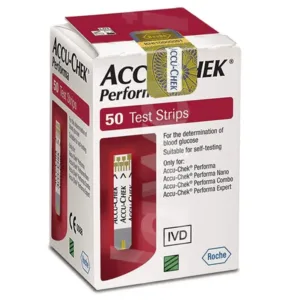
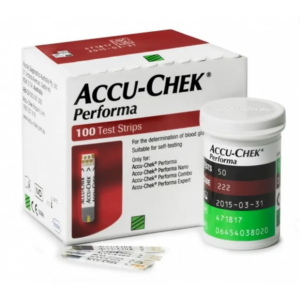
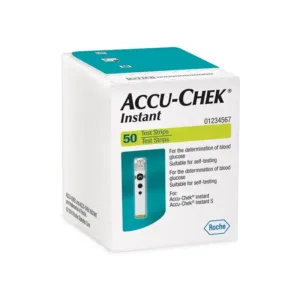
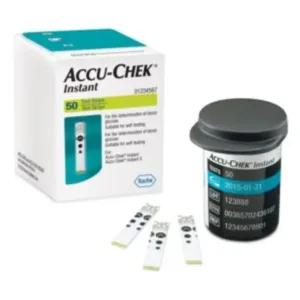
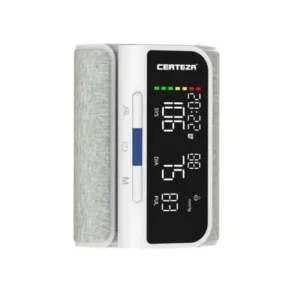
A blood glucose meter — known in Pakistan as a sugar machine or sugar check machine — is the device that reads a blood sample from a test strip and displays your blood sugar level in seconds. For diabetic patients and their families across Pakistan, a reliable sugar machine is one of the most essential health devices in the home. It enables daily monitoring without a lab visit, helping patients and their doctors track glucose trends, adjust medication, and prevent dangerous highs and lows.
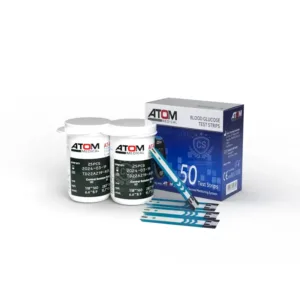
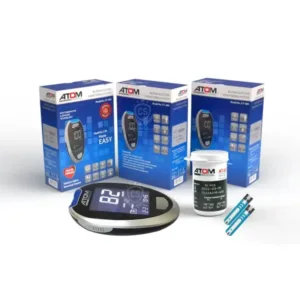
At Jarahi, we carry blood glucose meters from the most trusted brands available in Pakistan, including Accu-Chek, On Call, Abbott FreeStyle, Certeza, SD Biosensor, EvoCheck, UCheck, CareCheck, Medisign, Atom Medical, LifeChek, and Easy Gluco. Each product listing includes the compatible test strips so you can find your meter and restock strips in one place.
How a Sugar Machine Works
A small blood drop — typically 0.5 to 1.5 microlitres — is applied to a compatible test strip inserted into the meter. The strip contains an enzyme that reacts with the glucose in the blood, generating an electrical current. The meter measures this current, converts it into a blood glucose reading, and displays the result in mmol/L within 5–10 seconds.
Types of Blood Glucose Meters Available at Jarahi
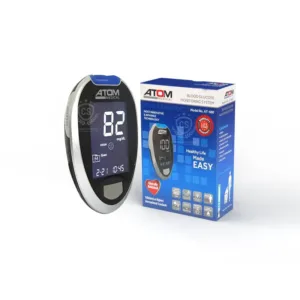
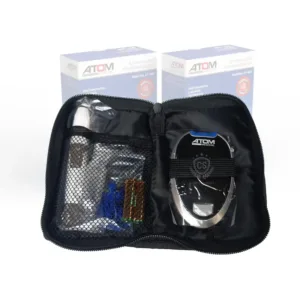
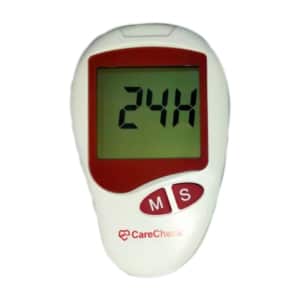
- Entry-Level Standard Meters — Simple, reliable, and easy to use. Suitable for patients who test once or twice daily and need a straightforward reading without advanced features. Brands: CareCheck, UCheck, LifeChek, Atom Medical, Certeza GL-107.
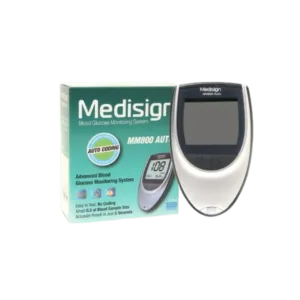
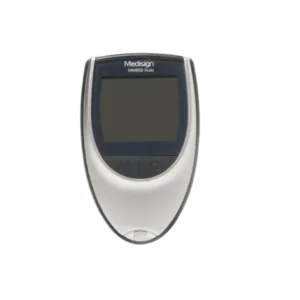
- Auto-Coding Meters — No manual calibration needed. The meter reads the strip’s calibration data automatically on insertion, eliminating a common source of user error. Brands: Certeza GL-110, SD Biosensor Codefree, Medisign MM-800.
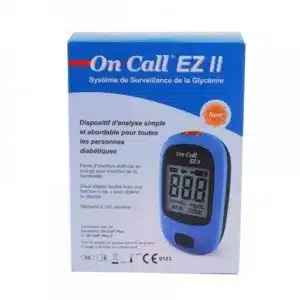
- Mid-Range Meters — Offer a balance of accuracy, memory, and ease of use for patients who test multiple times daily. Brands: On Call EZ II, On Call Extra, EvoCheck GM-700S.
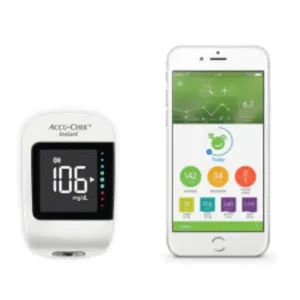
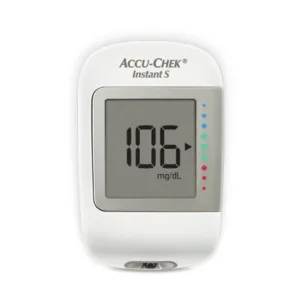
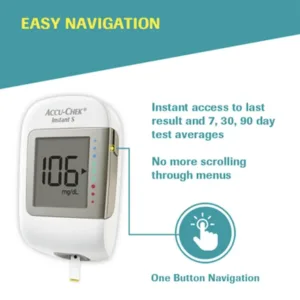
- Premium and Connected Meters — Meet international ISO 15197:2013 accuracy standards, store large result histories, and in some models connect via Bluetooth to smartphone apps for comprehensive diabetes management. Brands: Accu-Chek Instant, Accu-Chek Instant S, Abbott FreeStyle Optium.
What to Look for When Buying a Sugar Machine in Pakistan
- Strip Availability and Cost — The meter is a one-time purchase; strips are a recurring expense. Before choosing a meter, check that its compatible strips are readily available and affordable. Some premium meters have higher-cost strips that may be harder to find locally.
- Auto-Coding vs Manual-Coding — Auto-coding meters eliminate the risk of calibration errors caused by forgetting to enter a strip code. Recommended for elderly patients or those testing without medical supervision.
- Sample Size — Meters requiring a smaller blood sample (0.5–0.6 µL) cause less discomfort, especially for patients who test multiple times daily.
- Memory and Averaging — A meter that stores 200–500 results and calculates 7, 14, and 30-day averages gives you and your doctor a clearer picture of glucose trends over time.
- Display — A large, backlit display is important for elderly patients or those testing in low-light conditions.
How to Use a Blood Glucose Meter
- Wash and dry your hands before testing.
- Insert a compatible test strip into the meter port — the meter will switch on automatically.
- Use the lancing device to prick the side of a fingertip and obtain a small blood drop.
- Touch the blood drop to the absorbent end of the strip without smearing.
- Your reading will appear within 5–10 seconds.
- Log the reading for your doctor, or allow the meter’s memory to store it automatically.
- Dispose of the used lancet safely. Never reuse lancets.
Understanding Your Sugar Reading
Blood glucose in Pakistan is measured in mmol/L (millimoles per litre). A normal fasting reading for a non-diabetic adult is typically 3.9–5.5 mmol/L. A reading between 5.6–6.9 mmol/L may indicate prediabetes. A reading of 7.0 mmol/L or above on two separate tests is the clinical threshold for a diabetes diagnosis. Your personal target range depends on your condition, age, and treatment plan — always follow your doctor’s guidance, and never adjust insulin or medication based solely on meter readings without medical consultation.
Frequently Asked Questions
Which sugar machine is best in Pakistan?
The answer depends on your testing frequency and budget. For first-time buyers wanting a reliable, affordable machine, the Certeza GL-110 and On Call EZ II are consistently the most recommended options in Pakistan — both are auto-coding, accurate, and have widely available strips. For patients on insulin who need higher accuracy and data tracking, Accu-Chek Instant is the clinical benchmark. For Bluetooth connectivity and app integration, the Accu-Chek Instant S syncs with the mySugr app for comprehensive glucose tracking.
What is a sugar machine called in medical terms?
A sugar machine is medically called a blood glucose meter, glucometer, or blood glucose monitor. All three terms refer to the same device. The term “sugar machine” or “sugar check machine” is how it is commonly referred to in Pakistan in everyday and Urdu-language contexts.
Do I need to buy the same brand of strips as my glucometer?
Yes. Test strips are device-specific and only work accurately with the glucometer they were calibrated for. Using strips from a different brand or model — even if they appear to fit the port — will produce inaccurate readings. Every glucometer listing on Jarahi links directly to its compatible test strips to make reordering straightforward.
How often should a diabetic patient check their sugar at home?
Testing frequency depends on the type of diabetes and treatment plan prescribed by your doctor. People with Type 1 diabetes typically test 4–8 times daily — before meals, after meals, before bed, and before exercise. People with Type 2 diabetes on insulin usually test 2–4 times daily. Those managing through diet and oral medication may test once daily or a few times per week. Always follow your doctor’s recommended testing schedule rather than self-prescribing a frequency.
Are glucometer readings as accurate as lab tests?
Home glucometers are accurate enough for daily monitoring and treatment management, but they are not equivalent to laboratory tests. ISO 15197:2013-compliant meters (such as Accu-Chek and Abbott FreeStyle) must demonstrate that 95% of results fall within ±15% of a laboratory reference value. Lab tests remain the standard for diagnosis, HbA1c measurement, and clinical decisions. Use your home meter for daily monitoring and bring the results to your doctor for interpretation.
What is a normal sugar level in Pakistan?
For a non-diabetic adult, normal fasting blood glucose is 3.9–5.5 mmol/L. A post-meal reading (2 hours after eating) below 7.8 mmol/L is considered normal. Readings consistently above these thresholds should be discussed with a doctor. Target ranges for diagnosed diabetic patients differ based on their age, medication, and individual circumstances — your doctor will set your personal target range as part of your diabetes management plan.