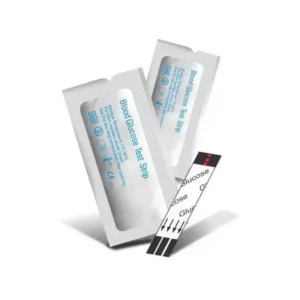
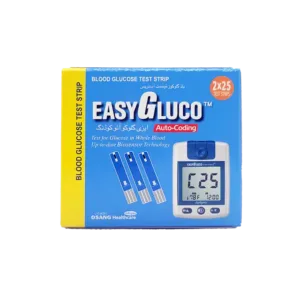
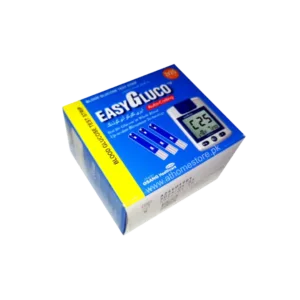
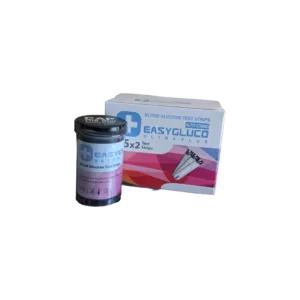
In Pakistan, blood sugar testing is most commonly referred to as a “sugar test” — and the test strip is what makes that test possible. Without the correct strip, your glucometer cannot produce a reading. For the millions of Pakistanis managing diabetes, prediabetes, or monitoring sugar levels on a doctor’s advice, keeping a reliable supply of the right strips is as important as the meter itself.
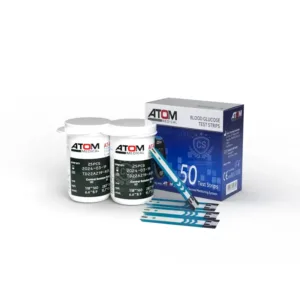
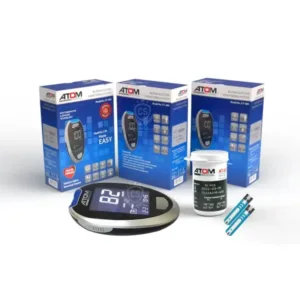
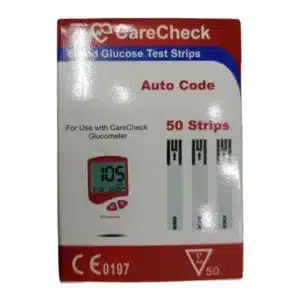
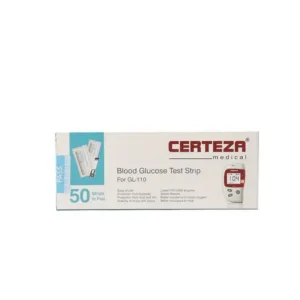
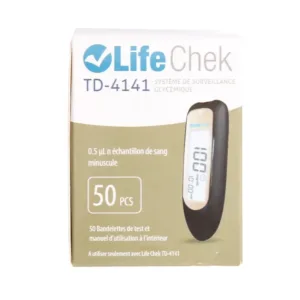
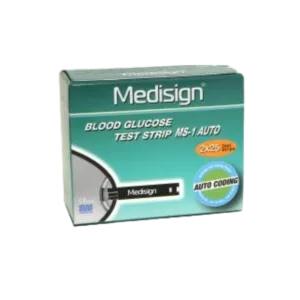
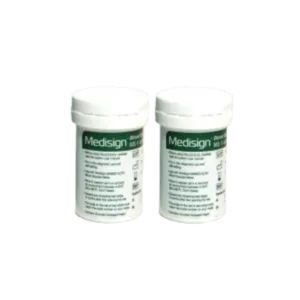
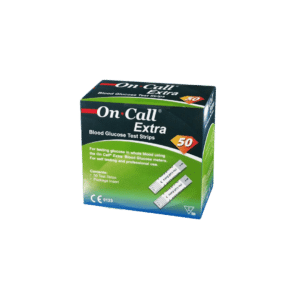
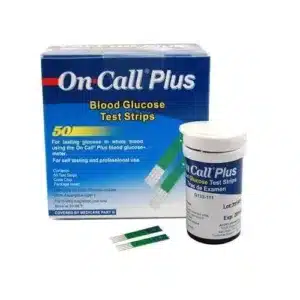
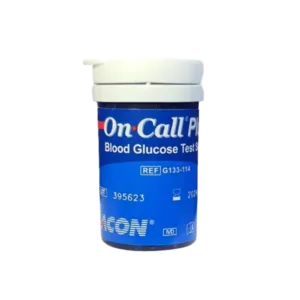
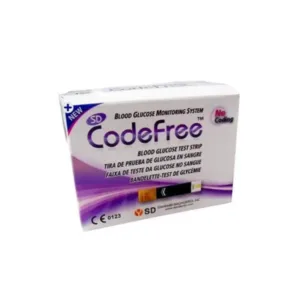
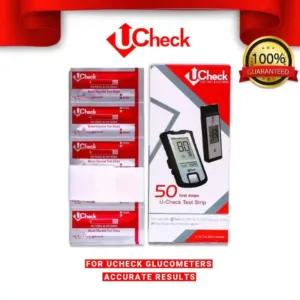
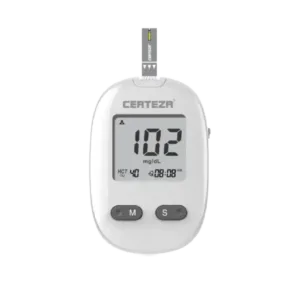
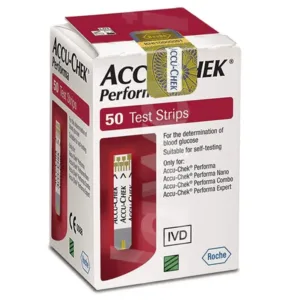
At Jarahi, we stock sugar test strips compatible with the most widely used glucometers in Pakistan, including Accu-Chek, Abbott FreeStyle, On Call, Certeza, SD Biosensor, EvoCheck, UCheck, CareCheck, Medisign, Atom Medical, Easy Gluco, and LifeChek. All strips are sold in standard 50-strip packs and sourced from authorized distributors — not bazaar stock or grey imports.
Why Strip Compatibility Is Critical
Sugar test strips are not interchangeable between meters. Each glucometer is calibrated specifically for the strips it was engineered to use. Using the wrong strips — even from a reputable brand — will produce inaccurate readings or a device error. This is not a minor inconvenience: for diabetic patients making insulin or medication decisions based on readings, an inaccurate result can be dangerous.
Every product listing on Jarahi clearly states which glucometer model the strips are compatible with. Always match the strip to your exact meter model before purchasing.
Types of Sugar Test Strips
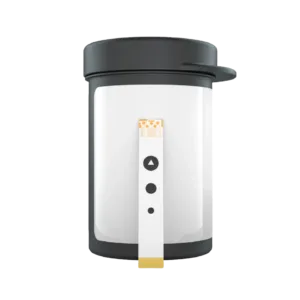
- Auto-Coding Strips — Automatically communicate their calibration data to the meter on insertion. No manual code entry required. This eliminates one of the most common sources of user error. Most modern meters use auto-coding strips.
- Manual-Coding Strips — Require the user to enter a numeric code printed on the strip vial into the glucometer before using a new batch. Skipping this step produces inaccurate results. Found on some older or budget meter models.
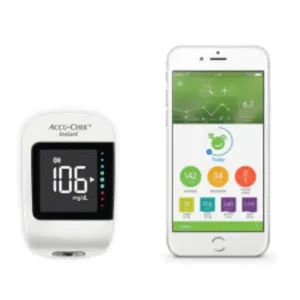
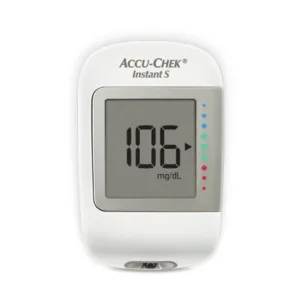
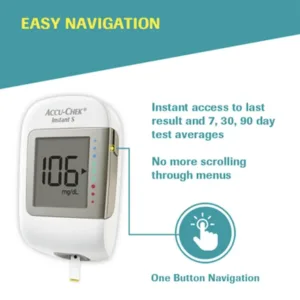
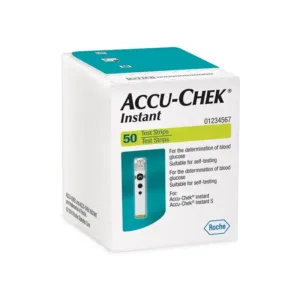
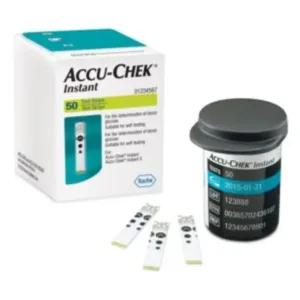
- High-Sensitivity Strips — Optimized for accuracy across a wide glucose range, including very low hypoglycemic readings. Found on premium meters such as Abbott FreeStyle Optium and Accu-Chek Instant.
How to Use Sugar Test Strips
- Wash and dry your hands thoroughly before testing — even small amounts of moisture, food residue, or sweat on the fingertip can alter the blood sample and skew the reading.
- Insert the strip into the glucometer port. The meter will turn on automatically.
- Use a lancet to prick the side of a fingertip and obtain a small blood drop.
- Touch the blood drop to the absorbent end of the test strip. Do not smear — the strip draws the correct amount automatically.
- Your sugar reading will appear on the screen within 5–10 seconds.
- Dispose of used strips and lancets safely after each test. Never reuse a strip.
Storage and Handling
- Always keep strips in their original sealed vial with the cap tightly closed after each use. Air, humidity, and light degrade the electrochemical coating on the strip surface.
- Store at room temperature (15–30°C). Do not refrigerate. Avoid storing near windows, in bathrooms, or anywhere with high humidity.
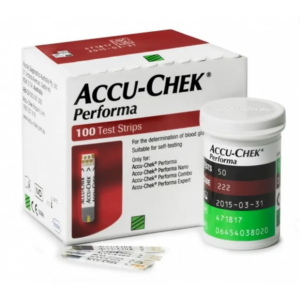
- Check the expiry date printed on the vial before purchasing and before each use. Expired strips must not be used for any medical decision.
- Once a vial is opened, use the strips within the in-use period printed on the packaging — typically 3–6 months depending on the brand.
- Never mix strips from different batches or vials together.
Frequently Asked Questions
Which sugar test strips should I buy for my glucometer?
You must buy the strips that are specifically designed and calibrated for your exact glucometer model. Check the model name printed on your meter and match it to the compatible strip listed on the product page. If you are unsure, the user manual that came with your glucometer will list the correct strip reference. Using any other strip — even if it physically fits the port — will produce inaccurate readings.
What are sugar test strips called in Pakistan?
They are most commonly called sugar strips, sugar test strips, or glucometer strips in everyday use. Medically, they are referred to as blood glucose test strips. All of these terms refer to the same product — the single-use electrochemical strip inserted into a glucometer to measure blood sugar levels.
How many sugar test strips do I need per month?
This depends on how often your doctor recommends testing. People with Type 1 diabetes typically test 4–8 times daily, requiring 120–240 strips per month. People with Type 2 diabetes on insulin usually test 2–4 times daily (60–120 strips/month). Those managing through diet and oral medication may test once or twice daily or as directed by their physician. A standard 50-strip pack covers approximately 2–4 weeks for moderate daily testing.
Do sugar test strips expire?
Yes. Every strip vial carries an expiry date. After this date the electrochemical reagents on the strip surface begin to degrade, producing readings that may no longer be accurate. Using expired strips for any decision involving insulin dosing, diet adjustment, or medication timing is not recommended. Always check the expiry date before purchasing, and avoid buying quantities larger than you can use within the valid period.
What is the difference between auto-coding and manual-coding strips?
Auto-coding strips calibrate automatically when inserted into the meter — no manual input required. Manual-coding strips require you to enter a code number (printed on the vial label) into the glucometer settings before using a new batch. If you skip this step with a manual-coding strip, the meter’s readings will be based on the wrong calibration and may be significantly inaccurate. Most modern meters sold in Pakistan now use auto-coding strips, which removes this risk entirely.
Why are my sugar readings inconsistent?
Inconsistent glucometer readings are most commonly caused by: expired or improperly stored strips, strips that have been exposed to humidity or heat, insufficient blood sample on the strip, blood smeared rather than touched to the strip, or wet and unclean hands at the time of testing. If inconsistency persists despite correct technique, check the expiry date and storage conditions of your strips. You can also run a control solution test using the solution supplied with your meter to verify accuracy.