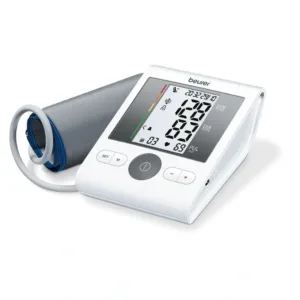
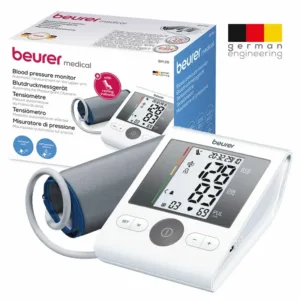
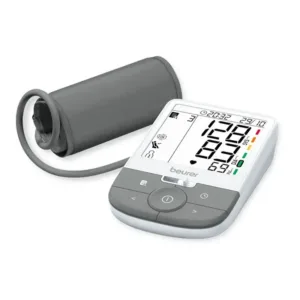
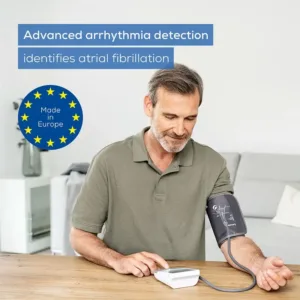
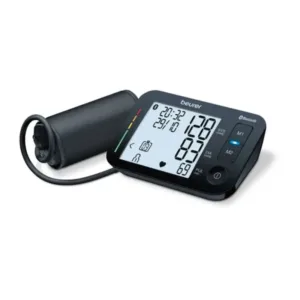
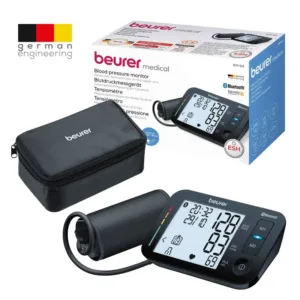
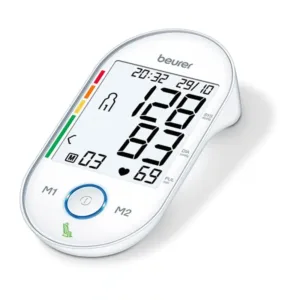
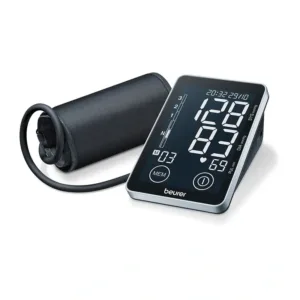
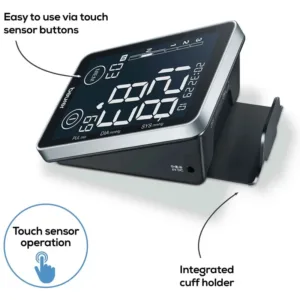
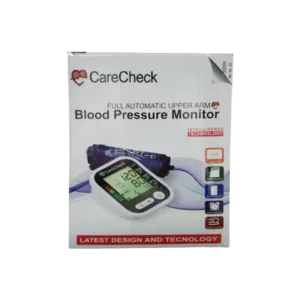
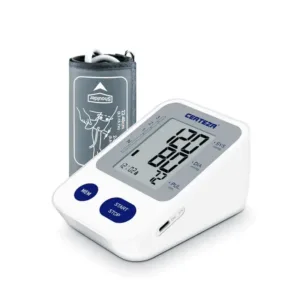
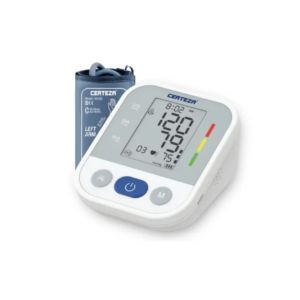
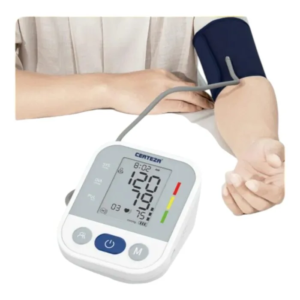
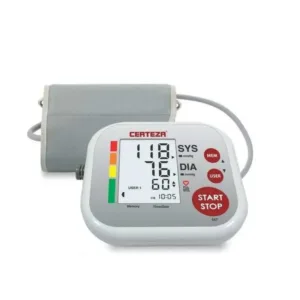
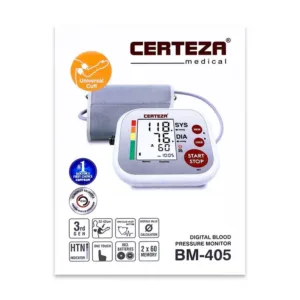
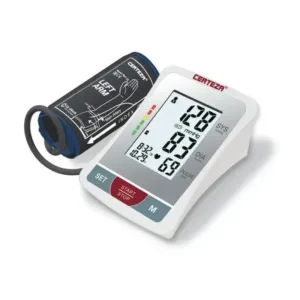
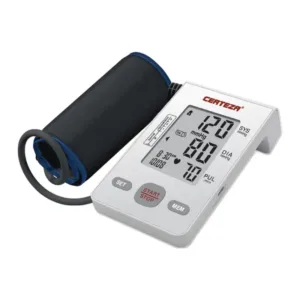
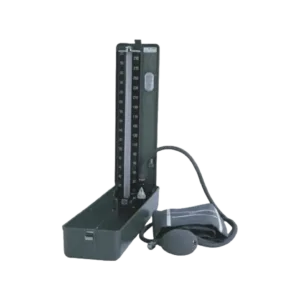
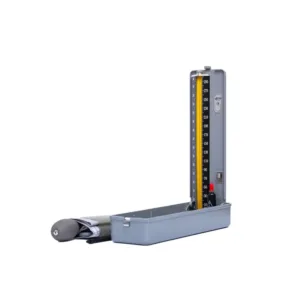
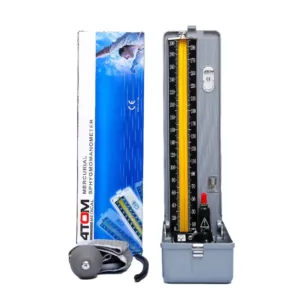
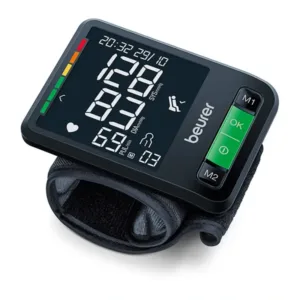
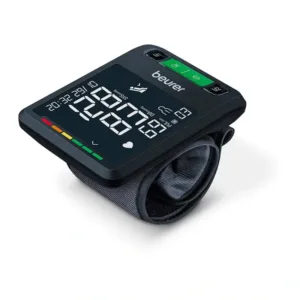
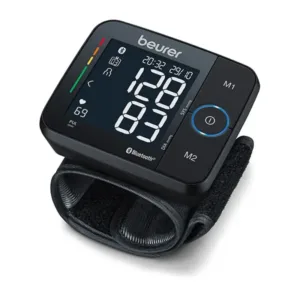
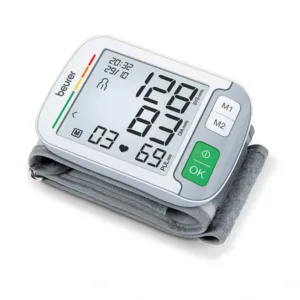
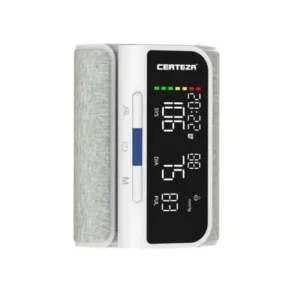
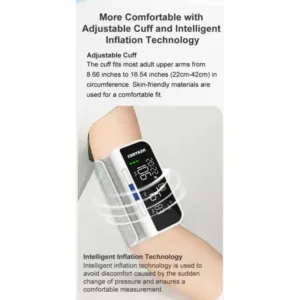
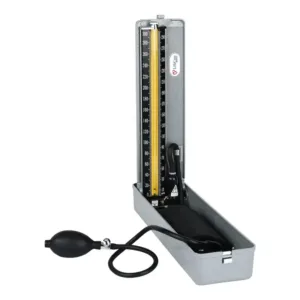
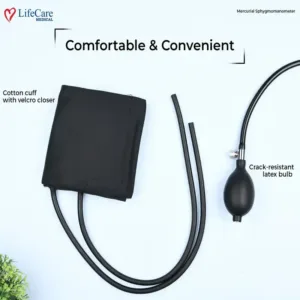
Upper arm monitors are the type doctors mean when they simply say blood pressure monitor. The cuff sits at heart level on its own, which is why nearly every clinical guideline and every validation study behind the blood pressure targets your doctor uses was built on upper arm readings. If you are buying your first BP machine and have no reason to choose otherwise, this is the type to get.
This range sits within our Blood Pressure Monitors category, alongside Wrist Type Monitors and Sphygmomanometers. For the full guide on reading your numbers and measuring correctly, see the main Blood Pressure Monitors page. This page focuses on choosing the right upper arm model.
Why Doctors Recommend Upper Arm Over Wrist
The brachial artery in the upper arm runs close to heart level regardless of how you are sitting, so the cuff naturally measures at the right height. A wrist cuff only reads correctly if you hold your wrist at heart level for the entire measurement, which is harder to do consistently than it sounds. That single difference is why upper arm remains the default recommendation for home monitoring.
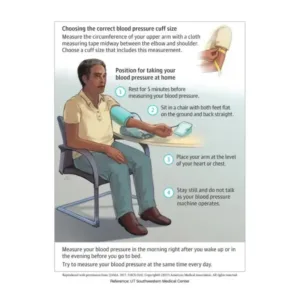
Getting the Cuff Size Right
Cuff size is the single biggest source of error with upper arm monitors, more than brand or price. A cuff that is too small squeezes the artery and reports a falsely high number. One that is too large reports falsely low.
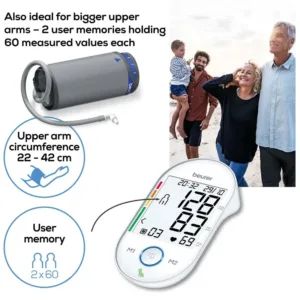
Wrap a tape measure around your upper arm at the midpoint between your shoulder and elbow. A standard cuff, the size shipped with most models here, generally covers about 22 to 32 cm. If your arm measures larger, check the box for the cuff range before buying, or confirm whether a large cuff is available separately for that model.
What Separates the Models in This Range
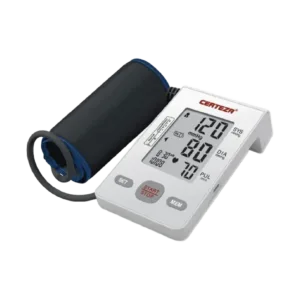
- Entry level. Certeza BM-400, BM-405, and BM-407, along with the CareCheck Ultra, cover straightforward single-user measurement at an accessible price. Good for a household that just needs a reliable daily reading.
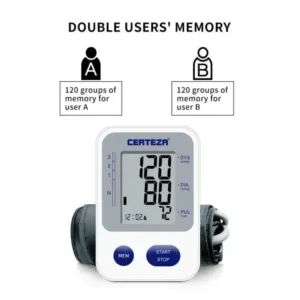
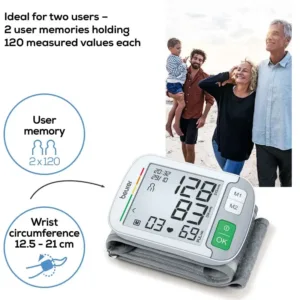
- Mid-range with memory. Certeza BM-408, BM-450, and the rechargeable BM-470, plus the Citizen CH-452 and CH-453, add larger memory banks and often two-user storage, useful when more than one family member tracks their pressure on the same device.
- Clinical grade. Omron M1 is built by a brand widely used in clinical validation studies internationally, a reasonable choice if accuracy consistency matters more than extra features.
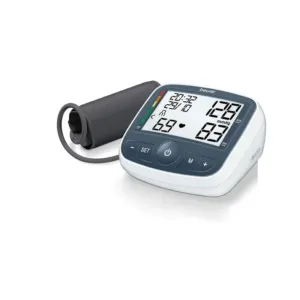
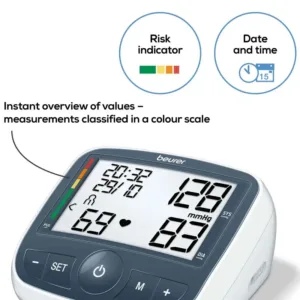
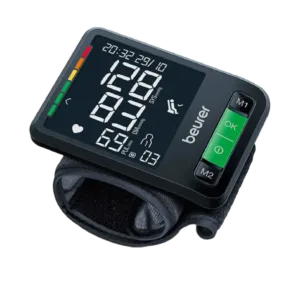
- Premium and connected. Beurer BM-40 through BM-58 span mid to high end, with the BM-54 and BM-58 adding larger memory and multi-user profiles for a household tracking several people’s readings over time.
Frequently Asked Questions – (FAQs)
Is an upper arm blood pressure monitor more accurate than a wrist one?
Both can be accurate when used correctly, but upper arm monitors are far more forgiving of technique. The brachial artery sits close to heart level on its own, while a wrist reading only holds up if the wrist is deliberately held level with the heart for the full measurement. This is why clinical guidelines and most doctors recommend upper arm for home use.
What size cuff do I need?
Measure around your upper arm at the midpoint between shoulder and elbow. A standard cuff typically covers roughly 22 to 32 cm, which fits most adults. If your arm measures larger than that, check the cuff range printed on the box before buying, since a cuff that is too small will report a falsely high reading.
What is the difference between the Certeza and Beurer ranges?
Certeza covers the affordable end of the range well and is widely used across Pakistan for everyday home monitoring. Beurer sits at the premium end, generally with larger memory, multi-user profiles, and Bluetooth on some models. Both brands make accurate upper arm monitors. The choice usually comes down to budget and whether you want app connectivity and extended memory.
Do I need a rechargeable or battery model?
Either works well. Rechargeable models such as the Certeza BM-470 save you the ongoing cost of replacing batteries. Battery powered models keep working through a power cut without needing to be charged in advance, which some households prefer for that reason alone.
Can two people share one monitor?
Yes. Most mid-range and premium models in this range store readings for two separate users, so a couple can track their blood pressure on the same device without mixing up each other’s history. Check the product listing for the exact memory capacity per user.