No products in the cart.

Shopping cart (0)
Subtotal: Rs. 0
Spend Rs. 10,000 to get free shipping Congratulations! You've got free shipping.
Pulse Oximeters
Shop our wide range of high-quality products from the most trusted health and wellness brands to meet your everyday healthcare necessities.
Product categories
- Adults Diapers 2
- Air Mattresses 2
- Air Quality Solutions 6
- Bandages and Dressings 9
- Blood Glucose Meters 33
- Blood Pressure Monitors 26
- First Aid Kits 1
- Fitness 2
- General Products 2
- Hearing Aids 4
- Heating Pads 13
- Ladies Corner 4
- Light Therapy 3
- Massage Therapy 16
- Men's Corner 40
- Mother and Babycare 7
- Nebulizers 14
- Orthopedic Support 2
- Personal Protection 2
- Pulse Oximeters 4
- Steamers 1
- Stethoscopes 1
- TENS Units 5
- Thermometers 4
- Weight Scales 21
Filter by price
Show
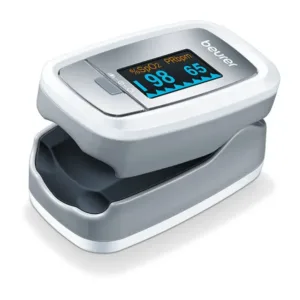
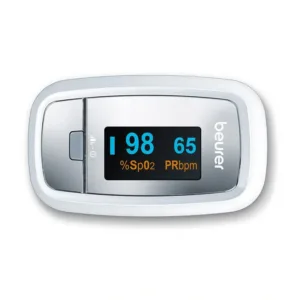
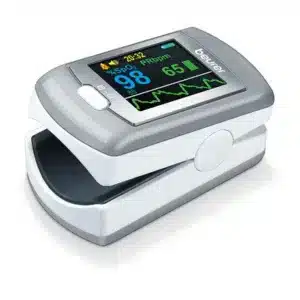
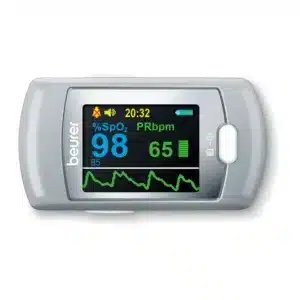

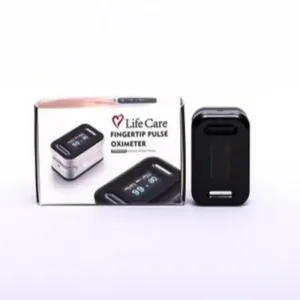
Certeza PO-907 Fingertip Pulse Oximeter
Product categories
- Adults Diapers 2
- Air Mattresses 2
- Air Quality Solutions 6
- Bandages and Dressings 9
- Blood Glucose Meters 33
- Blood Pressure Monitors 26
- First Aid Kits 1
- Fitness 2
- General Products 2
- Hearing Aids 4
- Heating Pads 13
- Ladies Corner 4
- Light Therapy 3
- Massage Therapy 16
- Men's Corner 40
- Mother and Babycare 7
- Nebulizers 14
- Orthopedic Support 2
- Personal Protection 2
- Pulse Oximeters 4
- Steamers 1
- Stethoscopes 1
- TENS Units 5
- Thermometers 4
- Weight Scales 21
Filter by price
A pulse oximeter clips onto a fingertip and shines light through the skin to measure how much oxygen your blood is carrying, along with your pulse rate, in a matter of seconds with no needle involved. It is standard equipment for anyone managing a respiratory condition at home, and it is equally essential gear for trekking in Pakistan’s north, where the altitude across Hunza, Skardu, Deosai, and the routes toward K2 and Nanga Parbat is enough to genuinely affect blood oxygen levels.
Jarahi’s range covers LifeCare, Certeza, and Beurer, from a straightforward fingertip reader through to the more advanced Beurer PO-80.
How It Works
The device shines light through the fingertip and measures how the blood absorbs it, since oxygen-rich and oxygen-poor blood absorb light differently. From this, it calculates your SpO2, the percentage of oxygen your blood is carrying, and displays your pulse rate at the same time. The whole reading takes seconds and requires nothing more than clipping the device onto a fingertip.
Understanding a Normal Reading
At sea level, a healthy adult typically reads 95 to 100 percent. A reading consistently below 95 percent is worth discussing with a doctor, and below 90 percent generally warrants urgent medical attention. These thresholds shift at altitude, where lower oxygen in the air means a somewhat reduced SpO2 reading is expected even in a healthy person, so the number itself matters less on a trek than the trend and whether it comes with symptoms like severe headache, breathlessness at rest, confusion, or a bluish tinge to the lips, any of which call for descending rather than continuing.
Everyday Uses
- Respiratory conditions. Doctors managing asthma, COPD, or recovery from a respiratory illness often ask patients to track oxygen levels at home between appointments.
- High-altitude travel. Trekking above roughly 2,500 metres carries a real risk of altitude sickness, and a pulse oximeter gives an objective early signal alongside how you actually feel, which is genuinely useful since symptoms alone can be misleading in the early stages.
- Sleep monitoring. Some models track overnight patterns, useful context to bring to a doctor if sleep apnea is a concern.
- General fitness. Athletes and hikers use it simply to understand how their body is responding to exertion or elevation.
Getting an Accurate Reading
- Warm cold hands before measuring. Poor circulation in cold fingers can produce an artificially low reading.
- Remove dark nail polish, since it can interfere with the light sensor.
- Stay still during the reading. Movement is one of the most common causes of an inaccurate result.
- Take a reading at rest rather than immediately after exertion for a baseline comparison.
Frequently Asked Questions – (FAQs)
What is a normal pulse oximeter reading?
At sea level, a healthy adult typically reads between 95 and 100 percent. A reading consistently below 95 percent is worth discussing with a doctor, and below 90 percent generally needs urgent medical attention. At altitude, a somewhat lower reading is expected even in healthy people, so the trend and accompanying symptoms matter more than the number alone.
Should I bring a pulse oximeter when trekking in northern Pakistan?
Yes, it is genuinely useful gear above roughly 2,500 metres, common across routes in Hunza, Skardu, and Deosai. It gives an objective early signal of how your body is coping with altitude alongside symptoms like headache or breathlessness, and a downward trend combined with symptoms is a clear sign to stop ascending or descend rather than push on.
Why is my pulse oximeter giving a low reading when I feel fine?
Cold fingers, dark nail polish, and movement during the reading are the most common causes of an inaccurate low result. Warm your hands, remove nail polish, and stay still, then take the reading again. If a genuinely low reading persists and is not explained by these factors, treat it seriously rather than dismissing it.
Can a pulse oximeter diagnose a lung condition?
No. It measures blood oxygen saturation and pulse rate, which is useful information for monitoring a known condition or flagging a potential problem, but it does not diagnose anything on its own. A persistently low or declining reading is a reason to see a doctor, not a diagnosis in itself.