No products in the cart.

Shopping cart (0)
Subtotal: Rs. 0
Spend Rs. 10,000 to get free shipping Congratulations! You've got free shipping.
Sphygmomanometers
Shop our wide range of high-quality products from the most trusted health and wellness brands to meet your everyday healthcare necessities.
Product categories
- Adults Diapers 2
- Air Mattresses 2
- Air Quality Solutions 6
- Bandages and Dressings 9
- Blood Glucose Meters 33
- Blood Pressure Monitors 26
- First Aid Kits 1
- Fitness 2
- General Products 2
- Hearing Aids 4
- Heating Pads 13
- Ladies Corner 4
- Light Therapy 3
- Massage Therapy 16
- Men's Corner 40
- Mother and Babycare 7
- Nebulizers 14
- Orthopedic Support 2
- Personal Protection 2
- Pulse Oximeters 4
- Steamers 1
- Stethoscopes 1
- TENS Units 5
- Thermometers 4
- Weight Scales 21
Filter by price
Show
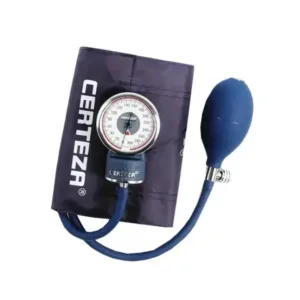
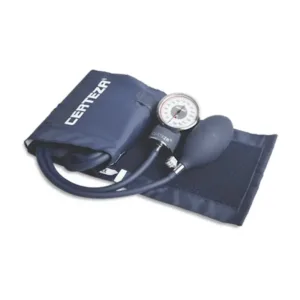
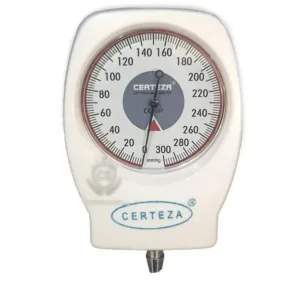
Certeza CR-1002 Standard Type Aneroid Sphygmomanometer
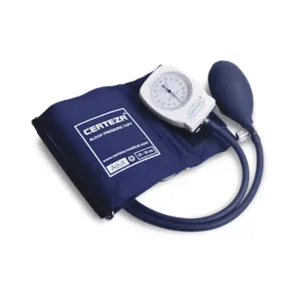
Certeza CR-1004 Large Dial Aneroid Sphygmomanometer
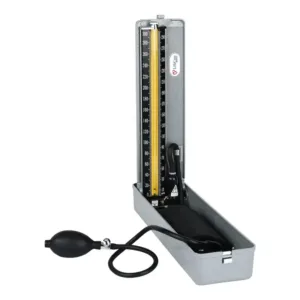
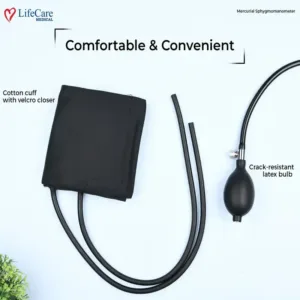
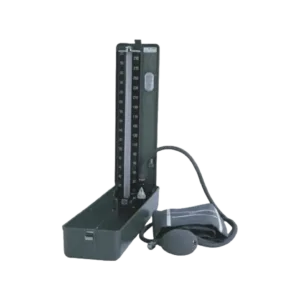
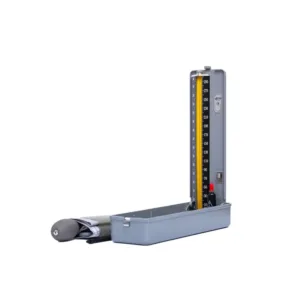
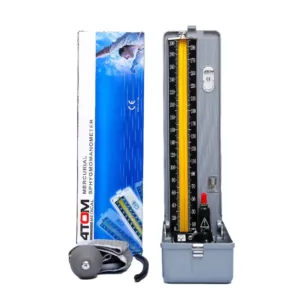
LifeCare Mercurial Sphygmomanometer
Product categories
- Adults Diapers 2
- Air Mattresses 2
- Air Quality Solutions 6
- Bandages and Dressings 9
- Blood Glucose Meters 33
- Blood Pressure Monitors 26
- First Aid Kits 1
- Fitness 2
- General Products 2
- Hearing Aids 4
- Heating Pads 13
- Ladies Corner 4
- Light Therapy 3
- Massage Therapy 16
- Men's Corner 40
- Mother and Babycare 7
- Nebulizers 14
- Orthopedic Support 2
- Personal Protection 2
- Pulse Oximeters 4
- Steamers 1
- Stethoscopes 1
- TENS Units 5
- Thermometers 4
- Weight Scales 21
Filter by price
A sphygmomanometer is the manual instrument doctors and nurses use to take blood pressure by hand: a cuff, a pressure gauge, and a stethoscope, read together rather than a number produced automatically. It is a different category of device from the digital monitors covered elsewhere on this site, built for clinical use rather than home self-monitoring.
This range sits within our Blood Pressure Monitors category, alongside Upper Arm Monitors and Wrist Type Monitors. If you want a device to check your own blood pressure at home without training, an automatic upper arm monitor is almost always the better choice.
Aneroid or Mercury
Aneroid sphygmomanometers use a mechanical dial gauge instead of a liquid column. They are lighter, more portable, and the type most commonly used in clinics today. Certeza CR-1002 and CR-1004 are aneroid models in this range.
Mercury sphygmomanometers use a glass column of mercury and have historically been treated as the reference standard for accuracy that other devices are validated against. Mercury measuring devices are being phased out globally under the Minamata Convention, an international agreement aimed at reducing mercury pollution, though they remain in use in some clinical and teaching settings. LifeCare and Atom Medical supply mercury models in this range for buyers who specifically need one.
Who Actually Needs a Sphygmomanometer
- Clinics, hospitals, and home healthcare workers who need a manual backup or a device for training.
- Medical and nursing students learning auscultation, the technique of listening for blood pressure sounds through a stethoscope.
- Anyone already trained in manual blood pressure measurement who prefers it to an automatic device.
For home use with no medical training, a manual sphygmomanometer is harder to use correctly and offers no real advantage over an automatic upper arm monitor. It requires a separate stethoscope, a trained ear for the Korotkoff sounds that mark systolic and diastolic pressure, and practice to get consistent readings.
Frequently Asked Questions – (FAQs)
What is the difference between a sphygmomanometer and a digital blood pressure monitor?
A sphygmomanometer is a manual instrument: a cuff, a pressure gauge, and a stethoscope, read by ear using a technique called auscultation. A digital monitor is automatic, inflating and reading the pressure electronically with no stethoscope or training needed. Clinics generally use both, but home users without medical training get more consistent results from an automatic monitor.
Do I need a stethoscope to use a sphygmomanometer?
Yes. A sphygmomanometer only shows pressure on the gauge. Determining the actual systolic and diastolic numbers requires listening through a stethoscope for specific sounds as the cuff deflates, a skill that takes training and practice to do reliably.
Are mercury sphygmomanometers still used?
Mercury blood pressure devices are being phased out globally under an international agreement aimed at reducing mercury pollution, though some clinics and teaching institutions continue to use them, largely because they have historically served as the accuracy reference for validating other devices. Most clinics today have shifted to aneroid or automatic digital monitors.
Should I buy a sphygmomanometer for home use?
Generally no, unless you already have medical training. For home self-monitoring, an automatic upper arm monitor is easier to use correctly and does not require a stethoscope or auscultation skill. A sphygmomanometer makes sense for clinics, healthcare workers, or students learning manual technique.