No products in the cart.

Shopping cart (0)
Subtotal: Rs. 0
Spend Rs. 10,000 to get free shipping Congratulations! You've got free shipping.
Baby Weight Scales
Shop our wide range of high-quality products from the most trusted health and wellness brands to meet your everyday healthcare necessities.
Product categories
- Adults Diapers 2
- Air Mattresses 2
- Air Quality Solutions 6
- Bandages and Dressings 9
- Blood Glucose Meters 33
- Blood Pressure Monitors 26
- First Aid Kits 1
- Fitness 2
- General Products 2
- Hearing Aids 4
- Heating Pads 13
- Ladies Corner 4
- Light Therapy 3
- Massage Therapy 16
- Men's Corner 40
- Mother and Babycare 7
- Nebulizers 14
- Orthopedic Support 2
- Personal Protection 2
- Pulse Oximeters 4
- Steamers 1
- Stethoscopes 1
- TENS Units 5
- Thermometers 4
- Weight Scales 21
Filter by price
Filter By Color
Show

Product categories
- Adults Diapers 2
- Air Mattresses 2
- Air Quality Solutions 6
- Bandages and Dressings 9
- Blood Glucose Meters 33
- Blood Pressure Monitors 26
- First Aid Kits 1
- Fitness 2
- General Products 2
- Hearing Aids 4
- Heating Pads 13
- Ladies Corner 4
- Light Therapy 3
- Massage Therapy 16
- Men's Corner 40
- Mother and Babycare 7
- Nebulizers 14
- Orthopedic Support 2
- Personal Protection 2
- Pulse Oximeters 4
- Steamers 1
- Stethoscopes 1
- TENS Units 5
- Thermometers 4
- Weight Scales 21
Filter by price
Filter By Color
Roughly two in five children under five in Pakistan are stunted, and close to one in six is wasted, according to national nutrition survey data. Both are conditions that show up in weight and growth measurements well before they become visible to the eye. A baby scale at home will not replace a paediatrician, but it lets you track growth between visits rather than finding out about a problem only once a month.
This range sits within our Weight Scales category, alongside Digital Scales, Kitchen Scales, and Analogue Scales.
Why a Baby Scale Is Built Differently
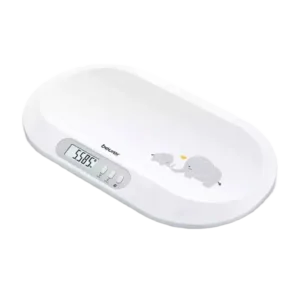
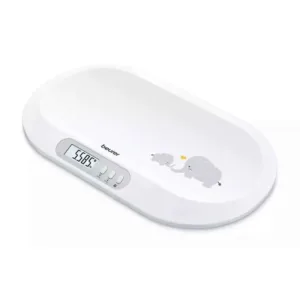
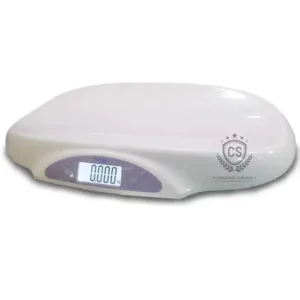
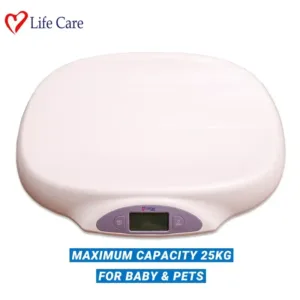
A baby scale uses a wide, curved tray instead of a flat platform, since an infant cannot stand still on a normal scale. A hold function locks the reading in place even while the baby wriggles, which matters because a baby that will not stay still for two seconds makes a standard digital scale useless.
LifeCare makes the more straightforward baby weight machine in our range. The Beurer BY-90 sits at the premium end, with finer precision and a more developed hold function.
How to Weigh a Baby at Home
- Weigh at roughly the same time of day, since feeding and nappy changes shift the number.
- Undress the baby fully, including the nappy if you want the most accurate figure, and note whether you did so you compare like with like next time.
- Lay the baby gently in the centre of the tray and wait for the hold function to lock the reading.
- Record the date alongside the weight. A single number means little. A trend over weeks is what matters.
What Home Weighing Is and Is Not For
Regular home weighing is genuinely useful for spotting a sudden drop, a stall in growth, or reassuring yourself that feeding is going well between clinic visits. It does not replace the growth charts your paediatrician plots, which compare your baby against standardised percentiles for age, not just a raw number. If a reading worries you, or growth seems to have stalled, that is a conversation for your doctor rather than something to watch and wait on alone.
Frequently Asked Questions – (FAQs)
How often should I weigh my baby at home?
Weekly is a reasonable rhythm for most healthy babies, enough to see a trend without becoming anxious over normal day to day variation. Your paediatrician may suggest a different frequency depending on your baby’s age and any specific concerns, so follow their guidance if one has been given.
Does a home baby scale replace clinic growth checks?
No. A home scale is useful for tracking between visits, but your paediatrician plots your baby’s weight against standardised growth charts for their exact age, which a home reading alone cannot tell you. Use home weighing to spot changes early, and bring any concern to your next appointment rather than relying on it as a substitute for clinical checks.
Should I weigh my baby with or without a nappy?
Either is fine as long as you are consistent. Weighing undressed without a nappy gives the most accurate figure, but what matters most for tracking a trend is doing it the same way every time so the numbers are actually comparable.
What is the hold function on a baby scale?
It locks the displayed weight in place even after the baby moves, since an infant will rarely lie still long enough for a reading to settle naturally. Without it, a wriggling baby would make an accurate reading almost impossible to get.