No products in the cart.

Shopping cart (0)
Subtotal: Rs. 0
Spend Rs. 10,000 to get free shipping Congratulations! You've got free shipping.
Digital Scales
Shop our wide range of high-quality products from the most trusted health and wellness brands to meet your everyday healthcare necessities.
Product categories
- Adults Diapers 2
- Air Mattresses 2
- Air Quality Solutions 6
- Bandages and Dressings 9
- Blood Glucose Meters 33
- Blood Pressure Monitors 26
- First Aid Kits 1
- Fitness 2
- General Products 2
- Hearing Aids 4
- Heating Pads 13
- Ladies Corner 4
- Light Therapy 3
- Massage Therapy 16
- Men's Corner 40
- Mother and Babycare 7
- Nebulizers 14
- Orthopedic Support 2
- Personal Protection 2
- Pulse Oximeters 4
- Steamers 1
- Stethoscopes 1
- TENS Units 5
- Thermometers 4
- Weight Scales 21
Filter by price
Show
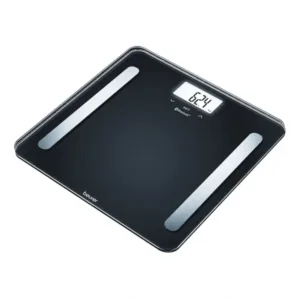
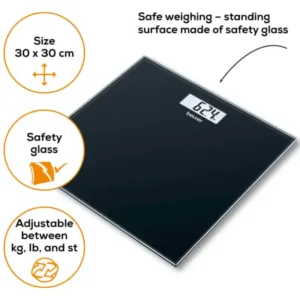
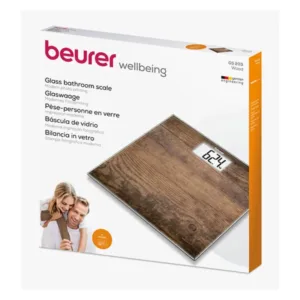

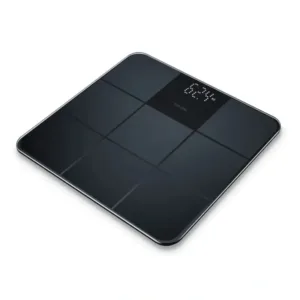
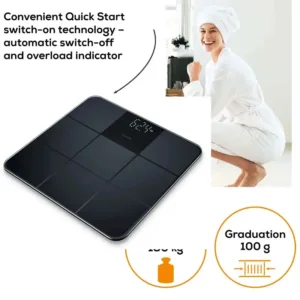
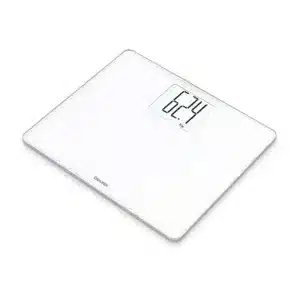
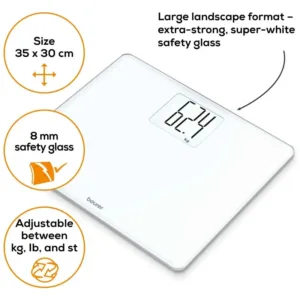
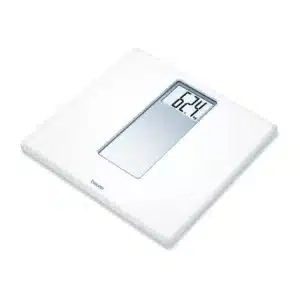
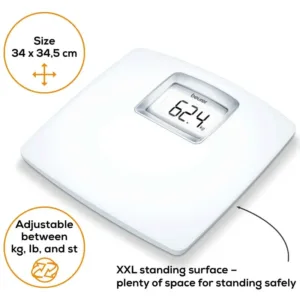
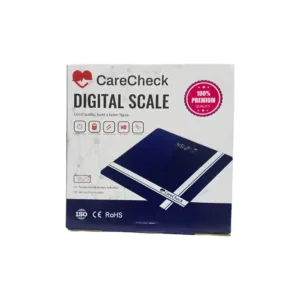
CareCheck Digital Weight Scale
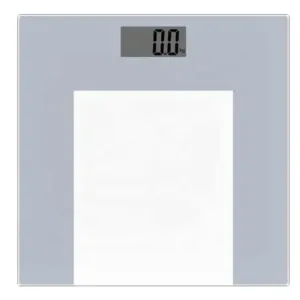
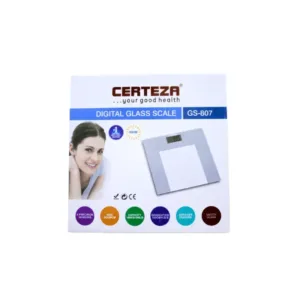
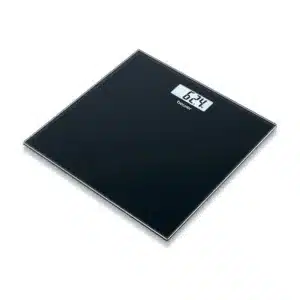
Certeza GS-807 Digital Glass Weight Machine
Showing 12 of 13 items
Product categories
- Adults Diapers 2
- Air Mattresses 2
- Air Quality Solutions 6
- Bandages and Dressings 9
- Blood Glucose Meters 33
- Blood Pressure Monitors 26
- First Aid Kits 1
- Fitness 2
- General Products 2
- Hearing Aids 4
- Heating Pads 13
- Ladies Corner 4
- Light Therapy 3
- Massage Therapy 16
- Men's Corner 40
- Mother and Babycare 7
- Nebulizers 14
- Orthopedic Support 2
- Personal Protection 2
- Pulse Oximeters 4
- Steamers 1
- Stethoscopes 1
- TENS Units 5
- Thermometers 4
- Weight Scales 21
Filter by price
Digital scales are the largest part of our weight scales range, and they cover two genuinely different jobs. Some simply show your weight. Others estimate what that weight is made of, body fat, muscle, water, and bone, using a small electrical signal. Both look similar standing in a bathroom, so it is worth knowing which one you are actually buying.
This range sits within our Weight Scales category, alongside Kitchen Scales, Baby Weight Scales, and Analogue Scales. Brands here include Beurer, Certeza, and CareCheck.
Plain Weight Scales
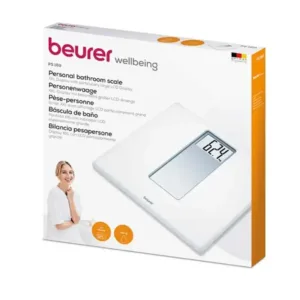
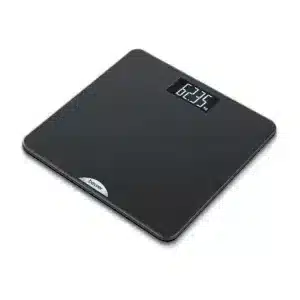
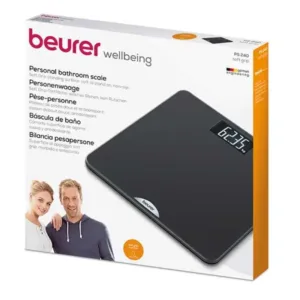
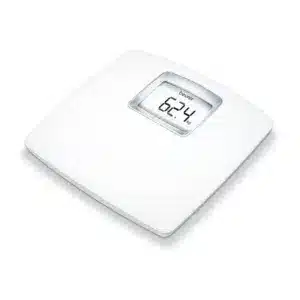
These show one number and nothing else. Certeza GS-807 and GS-808, the CareCheck digital scale, and the Beurer GS and PS series all fall here. If all you want is a reliable, easy to read weight each morning, this is the simpler and usually cheaper option, and there is nothing lacking about it for that purpose.
Diagnostic Scales
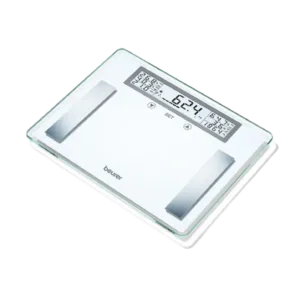
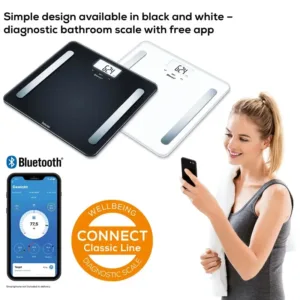
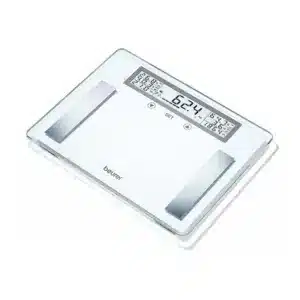
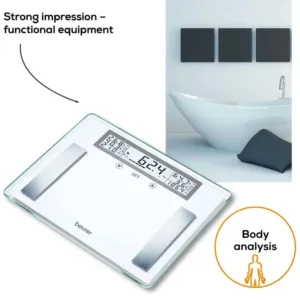
The Beurer BG-51 XXL and the Bluetooth BF-105 go further, estimating body fat, muscle mass, water percentage, and bone mass using bioelectrical impedance. A small, harmless current passes up through one foot and down the other. Fat resists the current more than muscle and water do, and the scale uses that resistance, along with your height, age, and sex, to estimate composition.
Treat these numbers as estimates, not lab results. Hydration shifts the reading, so a measurement taken after exercise will differ from one taken first thing in the morning. The trend across weeks is the useful part, not any single reading.
Anyone with a pacemaker or another implanted electronic medical device should not use a bioelectrical impedance scale. A plain weight scale carries no such restriction and is the safer choice if this applies to you or anyone in your household.
Choosing Between Them
- If you only want a weight number, buy a plain scale and save the difference in price.
- If you are actively trying to build muscle or lose fat rather than just weight, a diagnostic scale gives you more useful information, since weight alone cannot tell fat loss from muscle loss.
- If anyone in the household has a pacemaker, buy a plain scale, not a diagnostic one.
- Bluetooth models such as the BF-105 log every reading automatically, which makes the weekly trend far easier to see than writing numbers down by hand.
Getting a Reading You Can Trust
- Weigh on a hard, flat floor. Carpet compresses under the scale’s feet and can throw the reading off by several kilograms.
- Weigh at the same time each day, ideally first thing in the morning before eating or drinking.
- Stand barefoot for diagnostic scales, since the electrodes need direct skin contact to work at all.
- Expect one to two kilograms of normal daily variation from food and water. Judge the weekly trend, not the daily number.
Frequently Asked Questions – (FAQs)
What is the difference between a plain digital scale and a diagnostic scale?
A plain digital scale shows one number: your weight. A diagnostic scale, such as the Beurer BG-51 or BF-105, additionally estimates body fat, muscle mass, water percentage, and bone mass using a small electrical current passed through your feet. Both are accurate for weight. The diagnostic models simply give you more information beyond that single number.
Can I use a diagnostic scale if I have a pacemaker?
No. Diagnostic scales work by passing a small electrical current through the body, and this should be avoided by anyone with a pacemaker or another implanted electronic medical device. A plain weight scale has no such restriction and is the safer option.
How accurate are body fat readings on a bathroom scale?
They are useful for tracking change over time and less reliable as a precise, one off number. Hydration affects the electrical resistance the scale measures, so a reading taken after exercise or a salty meal will differ from one taken in the morning. Weigh under the same conditions each time and watch the direction of the trend rather than the exact percentage.
Why does my weight change during the day?
Mostly water and food, not fat. Eating, drinking, and salt intake can shift your weight by one to two kilograms within a single day, which is completely normal. This is why weighing at the same time each morning, before eating or drinking, gives the most comparable readings.
Do I need a Bluetooth scale?
Not strictly, but it removes the friction of writing numbers down, which is usually the reason people stop tracking weight consistently. A Bluetooth model like the Beurer BF-105 logs every reading automatically, making the weekly trend easy to see without any extra effort on your part.