No products in the cart.

Shopping cart (0)
Subtotal: Rs. 0
Spend Rs. 10,000 to get free shipping Congratulations! You've got free shipping.
Bandages and Dressings
Shop our wide range of high-quality products from the most trusted health and wellness brands to meet your everyday healthcare necessities.
Product categories
- Adults Diapers 2
- Air Mattresses 2
- Air Quality Solutions 6
- Bandages and Dressings 9
- Blood Glucose Meters 33
- Blood Pressure Monitors 26
- First Aid Kits 1
- Fitness 2
- General Products 2
- Hearing Aids 4
- Heating Pads 13
- Ladies Corner 4
- Light Therapy 3
- Massage Therapy 16
- Men's Corner 40
- Mother and Babycare 7
- Nebulizers 14
- Orthopedic Support 2
- Personal Protection 2
- Pulse Oximeters 4
- Steamers 1
- Stethoscopes 1
- TENS Units 5
- Thermometers 4
- Weight Scales 21
Filter by price
Show
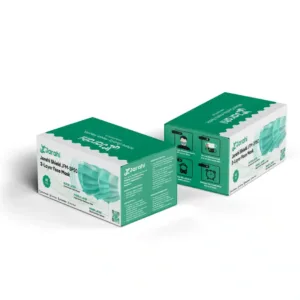
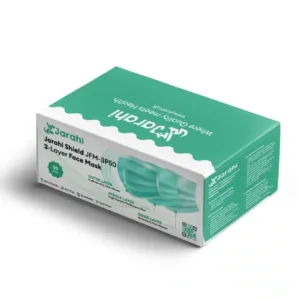
Jarahi Shield JFM-3P50 3-Ply Face Mask – 50 Piece Box
Cohesive Self Adherent Elastic Bandage
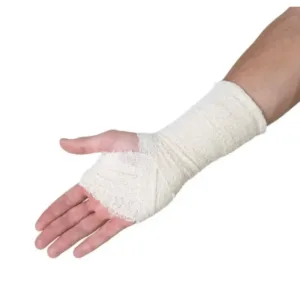
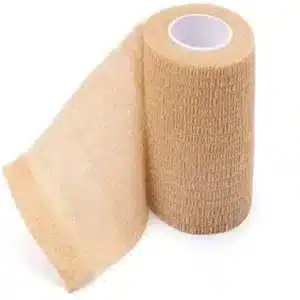
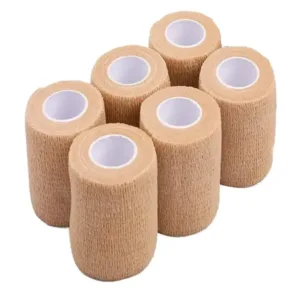
First Aid Self Adhesive Cohesive Bandage
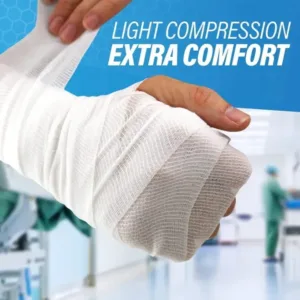
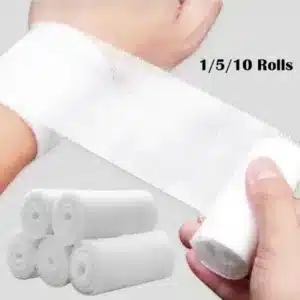
Gauze Cotton Bandage
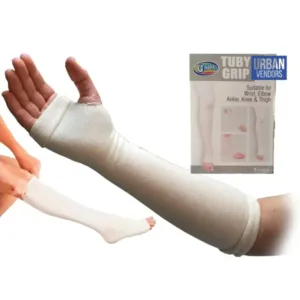
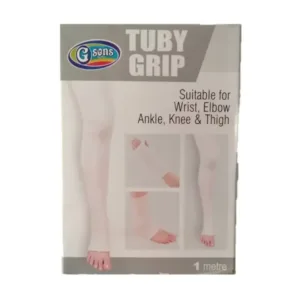
Tuby Grip Elasticated Stockinette
Product categories
- Adults Diapers 2
- Air Mattresses 2
- Air Quality Solutions 6
- Bandages and Dressings 9
- Blood Glucose Meters 33
- Blood Pressure Monitors 26
- First Aid Kits 1
- Fitness 2
- General Products 2
- Hearing Aids 4
- Heating Pads 13
- Ladies Corner 4
- Light Therapy 3
- Massage Therapy 16
- Men's Corner 40
- Mother and Babycare 7
- Nebulizers 14
- Orthopedic Support 2
- Personal Protection 2
- Pulse Oximeters 4
- Steamers 1
- Stethoscopes 1
- TENS Units 5
- Thermometers 4
- Weight Scales 21
Filter by price
Most households only discover their first aid drawer is missing something the moment they actually need it, mid cut, mid sprain, with no clean dressing in sight. A properly stocked selection of bandages means reaching for the right material for the injury rather than making do with whatever is left in the box, which matters more than most people realise, since the wrong type of bandage can slow healing or fail to give an injury the support it needs.
Jarahi’s range covers gauze, crepe, cohesive, and tubular bandages, adhesive plasters from Saniplast, antiseptic swabs, and protective face masks from our own Jarahi house brand.
Choosing the Right Bandage for the Injury
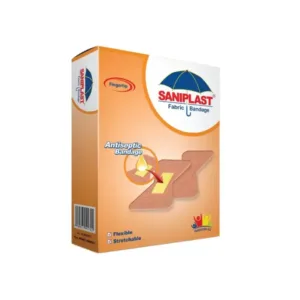
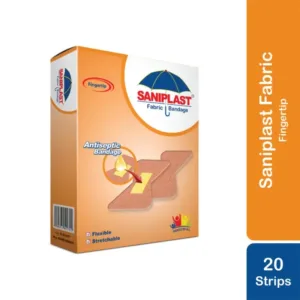
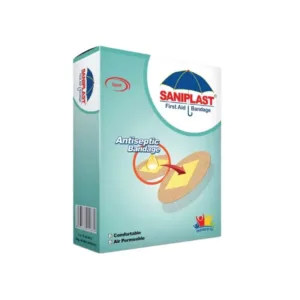
- Adhesive plasters. Saniplast spot bandages and fingertip antiseptic bandages are built for everyday minor cuts and scrapes, small enough to apply in seconds and designed to stay in place through normal daily activity.
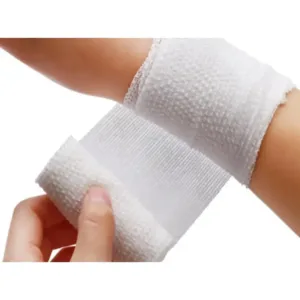
- Gauze bandage. A gauze cotton bandage absorbs wound drainage and is typically used as the primary covering directly on a wound, secured in place with tape or an outer wrap. The right choice for anything deeper than a minor scrape that needs to breathe while it heals.
- Crepe bandage. A woven elastic bandage used to provide gentle compression and support, most commonly for sprains and strains. Crepe does not stick to itself, so it needs a pin, clip, or tape to stay secured.
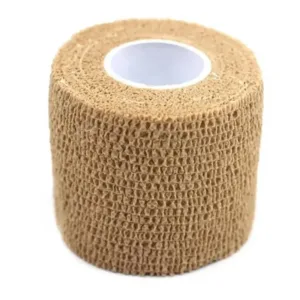
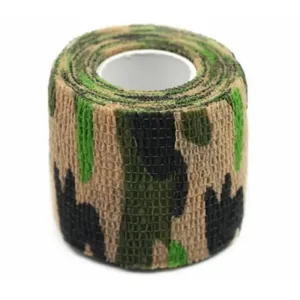
- Cohesive bandage. Self adherent bandage that sticks to itself but not to skin or hair, making it fast to apply and remove without the need for pins or tape. Well suited to sports injuries and situations where a quick, secure wrap is needed.
- Tubular stockinette. Tubigrip style elasticated tubing worn as a continuous compression sleeve, commonly used for joint support, mild swelling, or as a layer under a cast. It applies even pressure without the risk of wrapping too tightly in one spot, which can happen with a traditional bandage.
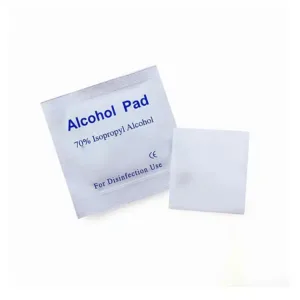
- Antiseptic swabs. Individually packaged alcohol swabs for cleaning skin around a wound or preparing an injection site, a genuinely useful item to have on hand beyond bandaging itself.
Basic Wound Care at Home
- Wash your hands before touching any wound, and clean the wound itself with clean water before dressing it.
- Use an antiseptic swab around, not directly inside, an open wound unless a product is specifically labelled safe for that use.
- Choose a dressing size that fully covers the wound with a small margin, rather than the smallest plaster that technically fits.
- Change the dressing if it becomes wet, dirty, or starts to lift at the edges.
- Apply compression bandages firmly but not so tightly that fingers or toes below the wrap become cold, numb, or discoloured. Loosen and reapply if this happens.
When a Bandage Is Not Enough
A dressing at home is appropriate for minor cuts, scrapes, and sprains. See a doctor for any wound that is deep, will not stop bleeding after firm direct pressure, has a foreign object embedded in it, or is the result of an animal bite. Watch for signs of infection over the following days, including increasing redness, warmth, swelling, pus, or fever, and seek medical attention if any of these appear. A wound from a dirty or rusty object may also need a tetanus assessment, which a bandage alone cannot address.
Frequently Asked Questions – (FAQs)
What is the difference between a crepe bandage and a cohesive bandage?
A crepe bandage is woven elastic fabric that does not stick to itself and needs a pin, clip, or tape to stay in place. A cohesive bandage sticks to itself but not to skin, so it can be wrapped and secured without any additional fastening. Cohesive is generally faster and more convenient for sports or quick compression wraps, while crepe remains a reliable, reusable option for general support.
When should I use gauze instead of a plaster?
A plaster is designed for small, shallow cuts and scrapes. Gauze is better suited to anything deeper or larger, since it absorbs wound drainage and allows the wound to breathe while healing, typically secured with tape or an outer bandage rather than applied directly like a plaster.
How tight should a compression bandage be?
Firm enough to provide support, but never so tight that fingers or toes beyond the wrap become cold, numb, tingling, or discoloured. If any of these occur, unwrap and reapply the bandage with less tension.
What is tubular stockinette used for?
It provides continuous, even compression around a joint or limb, commonly used for mild swelling, joint support, or as a protective layer under a cast. Unlike a wrapped bandage, it cannot accidentally be applied too tightly in one specific spot.
When does a cut need stitches instead of a bandage?
See a doctor if a wound is deep, has edges that will not stay closed on their own, will not stop bleeding after several minutes of firm direct pressure, or is longer than about half an inch with visible fat or muscle underneath. When in doubt, it is safer to have a wound assessed than to bandage something that needed proper closure.