
Categories
Categories
- Blood Pressure Monitors
- Blood Glucose Meters
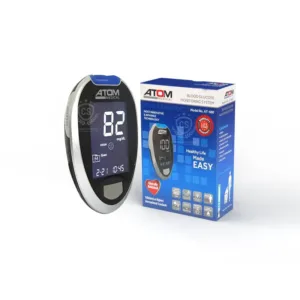
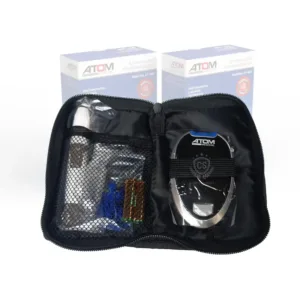
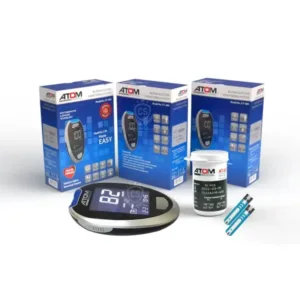
Atom AT-600 Blood Glucose Monitoring System
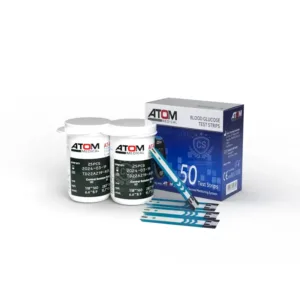
Original price was: Rs. 1,700.Rs. 1,500Current price is: Rs. 1,500.Test Strips – Atom AT-600 Blood Glucose Monitoring System – 50 Strips
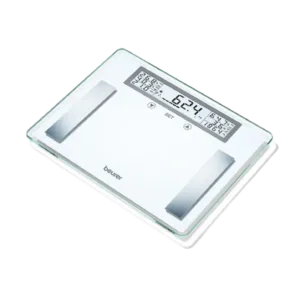
Original price was: Rs. 2,250.Rs. 1,950Current price is: Rs. 1,950. - Weight Scales

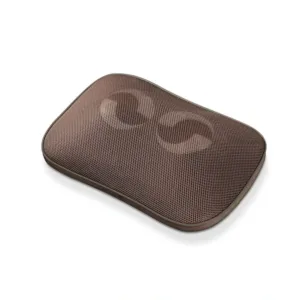
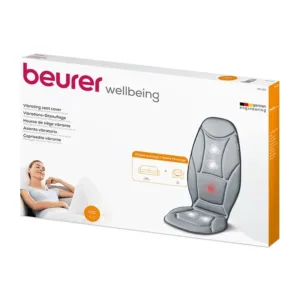
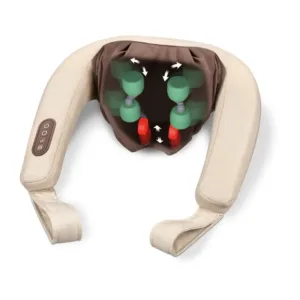
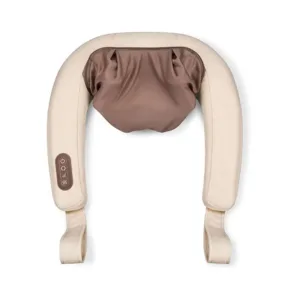
- Massage Therapy

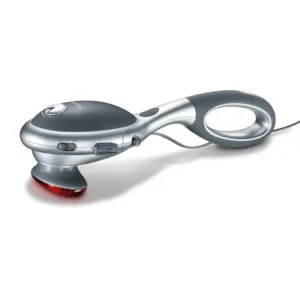
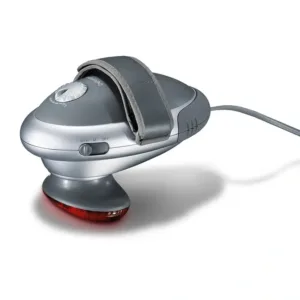
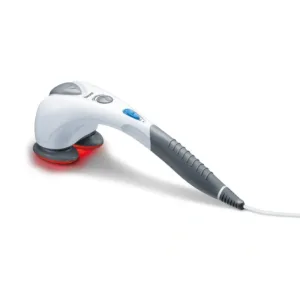
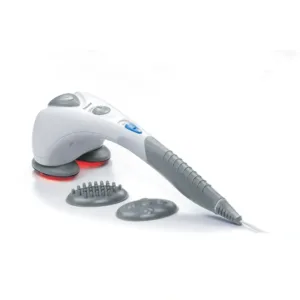
- Nebulizers
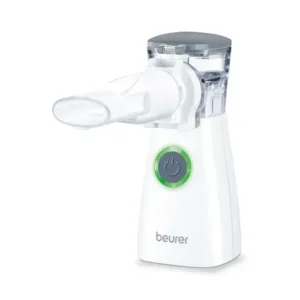

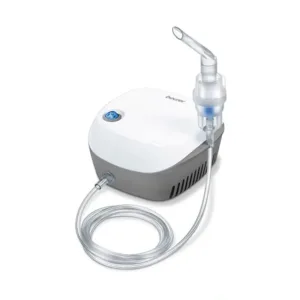
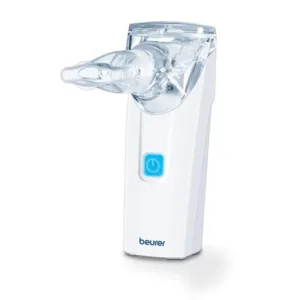
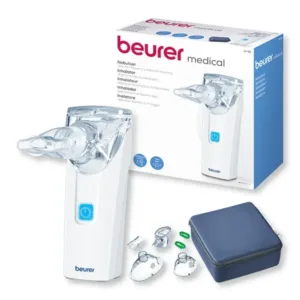
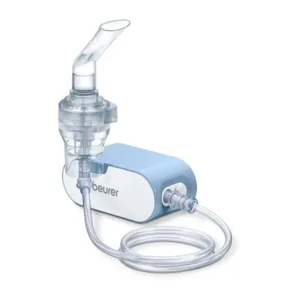
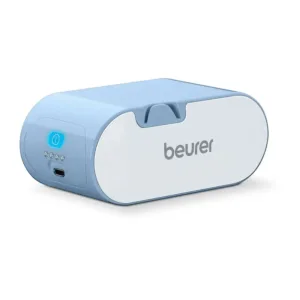
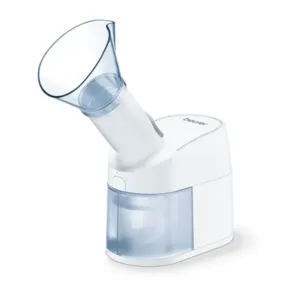
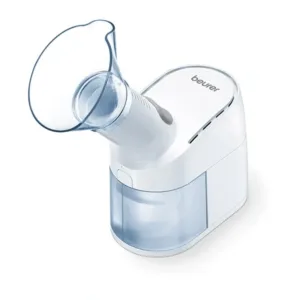
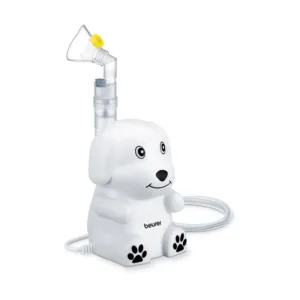

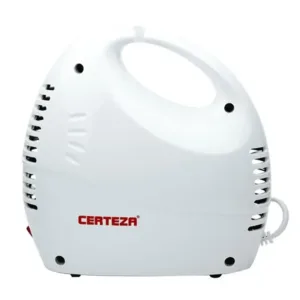
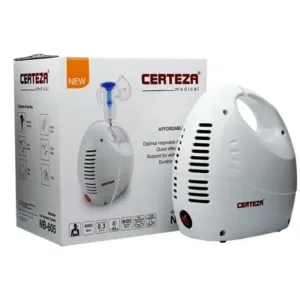
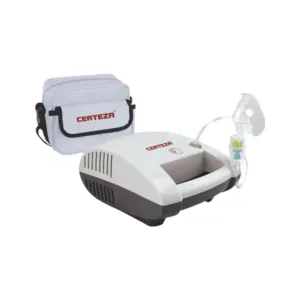
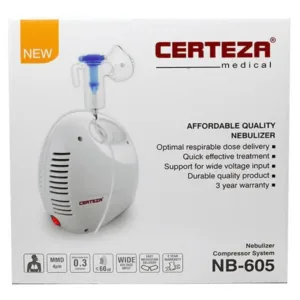
Certeza NB-605 Nebulizer Machine
Original price was: Rs. 4,300.Rs. 4,171Current price is: Rs. 4,171.Certeza NB-607 Nebulizer Machine
Original price was: Rs. 5,750.Rs. 4,956Current price is: Rs. 4,956.
Brands
Brands
- Beurer
- Certeza

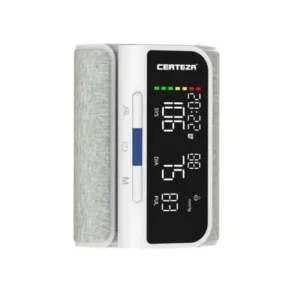
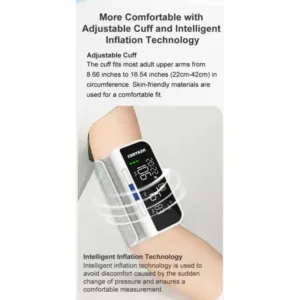
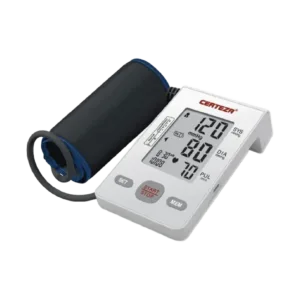
Certeza BM-470 Reachargeable Arm Type Blood Pressure Monitor
Original price was: Rs. 8,500.Rs. 7,500Current price is: Rs. 7,500.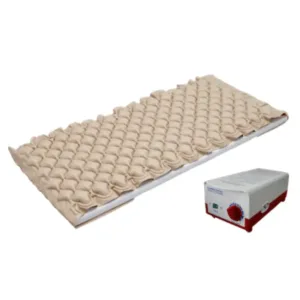
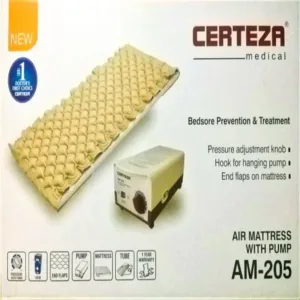
Certeza AM-205 Air Mattress for Patients
Original price was: Rs. 6,800.Rs. 6,596Current price is: Rs. 6,596.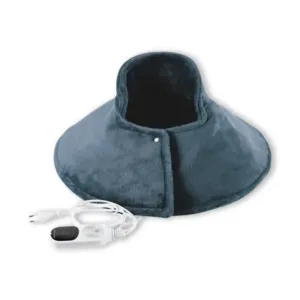
Certeza HP-260 Heating Pad for Shoulder and Neck
Original price was: Rs. 5,300.Rs. 5,035Current price is: Rs. 5,035. - LifeCare

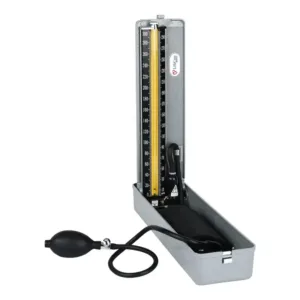
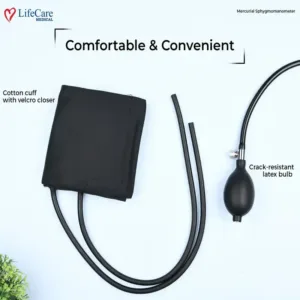
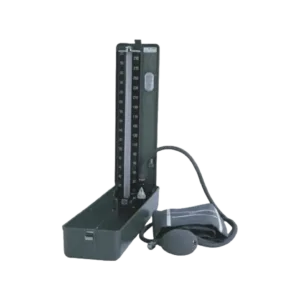
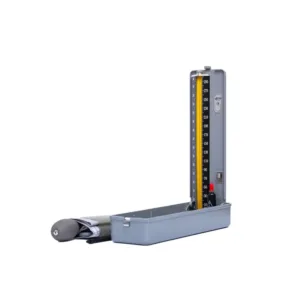
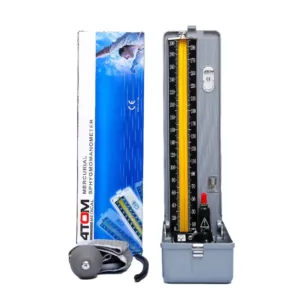
LifeCare Mercurial Sphygmomanometer
Original price was: Rs. 11,999.Rs. 8,500Current price is: Rs. 8,500.
LifeCare Infrared Lamp
Original price was: Rs. 4,000.Rs. 3,199Current price is: Rs. 3,199. - Accu-Chek

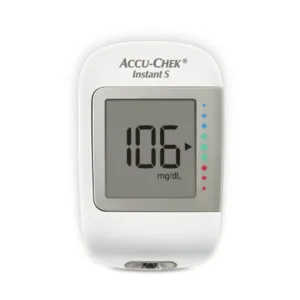
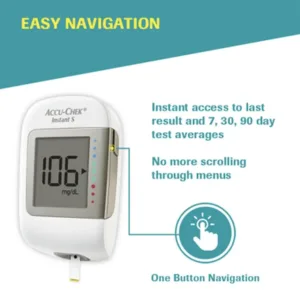
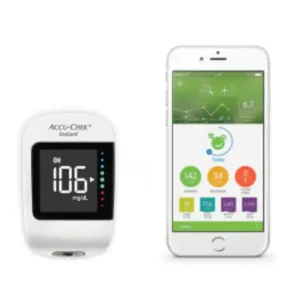
Accu-Chek® Instant S
Original price was: Rs. 3,621.Rs. 3,500Current price is: Rs. 3,500.