No products in the cart.

Shopping cart (0)
Subtotal: Rs. 0
Spend Rs. 10,000 to get free shipping Congratulations! You've got free shipping.
Kitchen Scales
Shop our wide range of high-quality products from the most trusted health and wellness brands to meet your everyday healthcare necessities.
Product categories
- Adults Diapers 2
- Air Mattresses 2
- Air Quality Solutions 6
- Bandages and Dressings 9
- Blood Glucose Meters 33
- Blood Pressure Monitors 26
- First Aid Kits 1
- Fitness 2
- General Products 2
- Hearing Aids 4
- Heating Pads 13
- Ladies Corner 4
- Light Therapy 3
- Massage Therapy 16
- Men's Corner 40
- Mother and Babycare 7
- Nebulizers 14
- Orthopedic Support 2
- Personal Protection 2
- Pulse Oximeters 4
- Steamers 1
- Stethoscopes 1
- TENS Units 5
- Thermometers 4
- Weight Scales 21
Filter by price
Show
Product categories
- Adults Diapers 2
- Air Mattresses 2
- Air Quality Solutions 6
- Bandages and Dressings 9
- Blood Glucose Meters 33
- Blood Pressure Monitors 26
- First Aid Kits 1
- Fitness 2
- General Products 2
- Hearing Aids 4
- Heating Pads 13
- Ladies Corner 4
- Light Therapy 3
- Massage Therapy 16
- Men's Corner 40
- Mother and Babycare 7
- Nebulizers 14
- Orthopedic Support 2
- Personal Protection 2
- Pulse Oximeters 4
- Steamers 1
- Stethoscopes 1
- TENS Units 5
- Thermometers 4
- Weight Scales 21
Filter by price
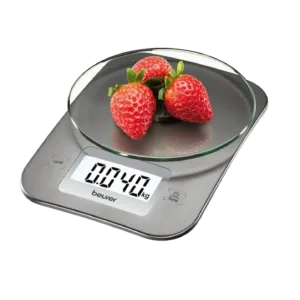
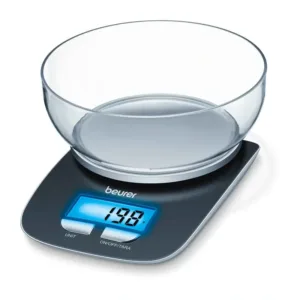
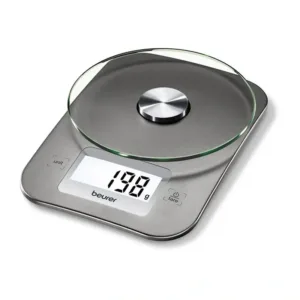
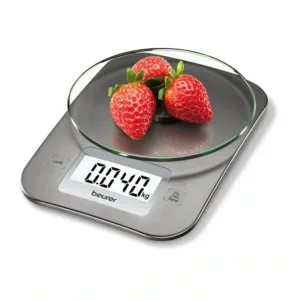
A kitchen scale measures food in exact grams rather than the rough handfuls and cup estimates most cooking gets by on. That precision matters for two quite different reasons: getting a recipe right, and managing a health condition where portion size actually matters, most commonly diabetes.
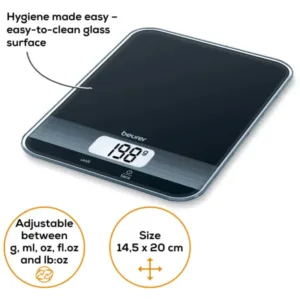
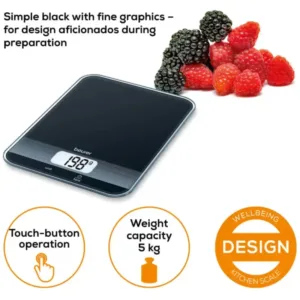
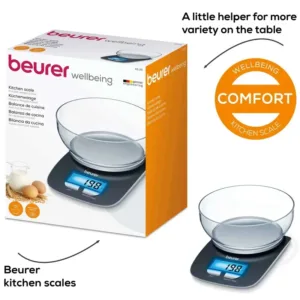
This range sits within our Weight Scales category, alongside Digital Scales, Baby Weight Scales, and Analogue Scales. All models here are from Beurer.
Cooking and Baking
Baking in particular rewards precision that volume measures cannot give you. A cup of flour can weigh anywhere from 120 to 150 grams depending on how tightly it is packed, which is enough to throw off a recipe that depends on an exact ratio. Weighing ingredients removes that inconsistency entirely.
Portion Control and Diabetes
For anyone managing diabetes through diet, or following a specific portion plan from a doctor or dietitian, a kitchen scale turns vague guidance like a small portion of rice into an exact, repeatable number. Given how common diabetes is in Pakistan, this is one of the more genuinely useful, unglamorous tools a household can own. Weighing carbohydrate portions consistently makes it far easier to see how a specific food actually affects blood sugar, rather than guessing.
What to Look For
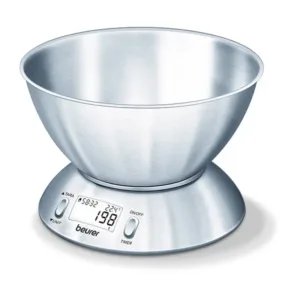
- Tare function. Lets you place a bowl on the scale, zero it out, and add ingredients so only their weight is measured. Every model in this range has one, and it is not worth buying a scale without it.
- Graduation. Most kitchen scales measure in one gram increments, precise enough for both baking and portion tracking.
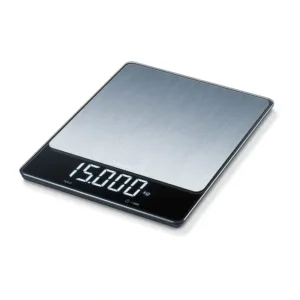
- Capacity. Check the maximum weight against what you actually cook. The Beurer KS-34 XL is built for larger bowls and bigger batches than the standard KS series.
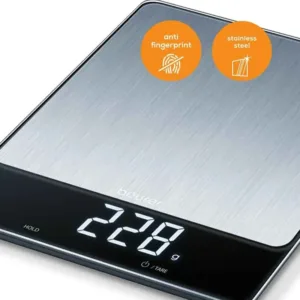
- Platform material. Stainless steel surfaces are easier to keep clean and more durable under daily kitchen use than plastic.
Frequently Asked Questions – (FAQs)
Why weigh food instead of using cups and spoons?
Volume measures are inconsistent. A cup of flour can weigh quite differently depending on how it is packed, which throws off recipes and, more importantly, throws off portion tracking for anyone managing a condition like diabetes where the actual amount of a food matters. Weighing in grams removes that guesswork.
What is the tare function on a kitchen scale?
It resets the display to zero with a container already on the scale, so you can add ingredients one at a time and see only their weight, not the weight of the bowl. Every kitchen scale in our range has this function, and it is one of the more genuinely useful features rather than an extra.
Are kitchen scales useful for diabetes management?
Yes. Weighing carbohydrate portions consistently turns vague guidance into an exact, repeatable number, which makes it much easier to understand how a specific food or portion affects blood sugar. Many dietitians recommend this as a practical habit alongside dietary advice.
How precise are these kitchen scales?
Most measure in one gram increments, which is precise enough for both baking and health related portion tracking. Check the specific model’s graduation on the product page if you need finer precision for a particular use.